Author: admin

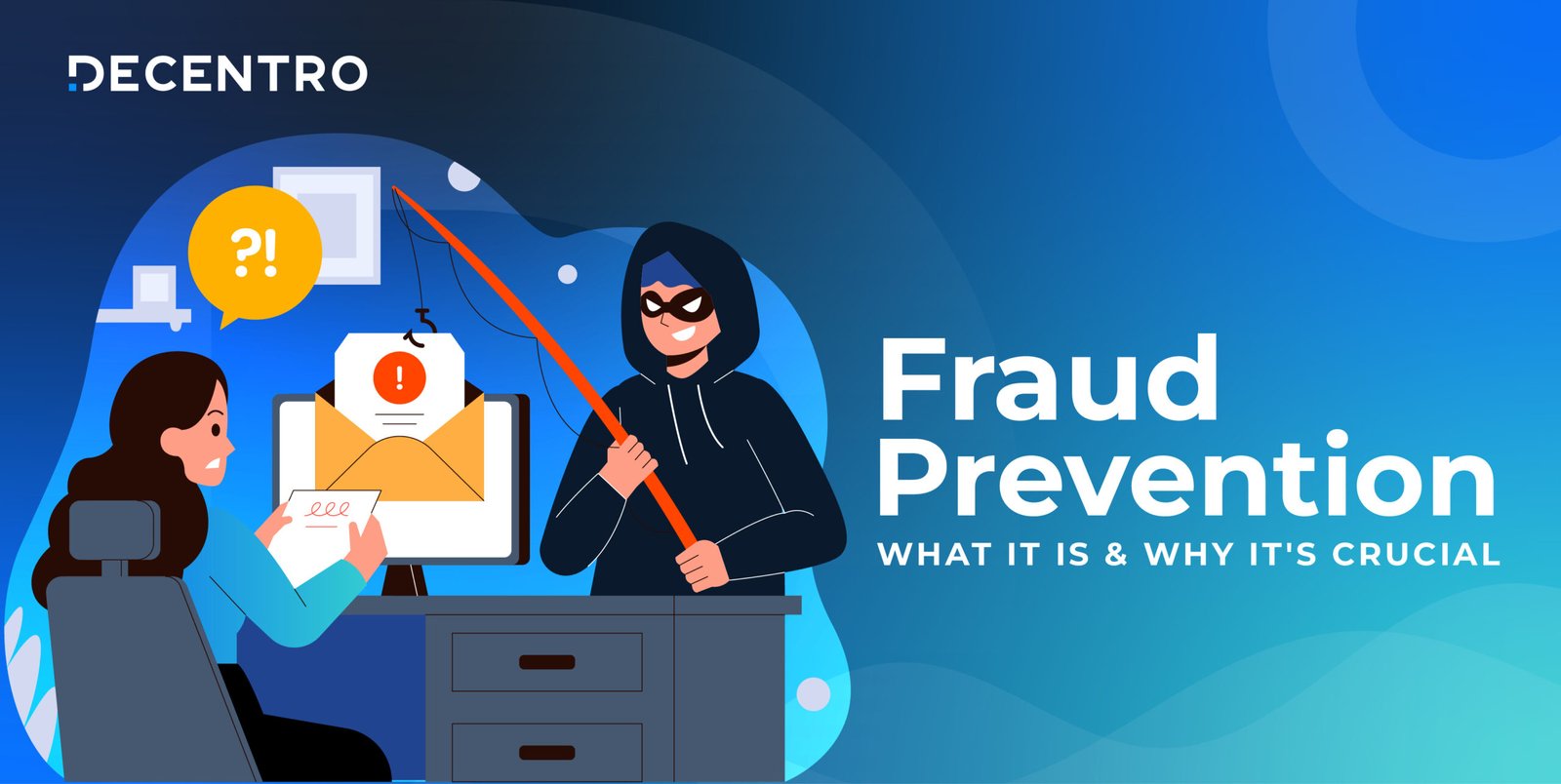
  • The Billion-Naira Bank Fraud Case: A Deep Dive Into Insider Threats and How Summit Systems ISSP Can Help Organizations Stay Protected

    The Billion-Naira Bank Fraud Case: A Deep Dive Into Insider Threats and How Summit Systems ISSP Can Help Organizations Stay Protected

    The Billion-Naira Bank Fraud Case: A Deep Dive Into Insider Threats and How Summit Systems ISSP Can Help Organizations Stay Protected

    Nigeria recently witnessed one of the largest financial fraud scandals in its banking history — a case where a former manager of a major bank allegedly diverted billions of naira through sophisticated internal manipulation.

    This incident has raised serious questions about insider threats, weak internal controls, and the need for robust cybersecurity frameworks across financial institutions.

    At Summit Systems ISSP, we believe this case offers powerful lessons for every organization that handles financial transactions, sensitive data, or privileged access.

    How the Fraud Was Carried Out

    Investigators revealed that the former bank manager held a strategic role in the bank’s electronic settlement and transaction-processing operations. This position gave him privileged access to process financial reversals — the kind of internal operations that typically require tight oversight.

    Instead of crediting customers who requested reversals, he allegedly:

    • Redirected large sums into a merchant account under his control.
    • Distributed the funds into about 98 first-beneficiary accounts, including accounts linked to associates.
    • Further funneled the money into over 1,000 secondary accounts, creating a complex laundering trail.
    • Converted part of the funds into foreign currency and cryptocurrency, making tracking even more difficult.

    The scheme reportedly continued for years until a customer complaint triggered an internal review, ultimately uncovering the suspicious patterns.

    Legal Actions and Asset Forfeiture

    Following the bank’s report to law enforcement, the case escalated quickly:

    • Multiple accounts were frozen following court orders.
    • Investigators traced billions to personal and affiliate accounts.
    • Some of the recovered funds — running into billions of naira and hundreds of thousands of dollars — were ordered forfeited to the Federal Government after court proceedings.
    • Authorities also discovered that a portion of the diverted funds had already been moved through crypto channels or withdrawn entirely.

    While significant amounts were recovered, the overall loss remains unprecedented.

    What This Scandal Reveals: The True Risk of Insider Threats

    This case is a stark reminder that the most damaging cybersecurity risks often come from inside the organization.

    Major internal control weaknesses exposed:

    • Excessive privilege given to one individual
    • Lack of Segregation of Duties (SoD) for sensitive processes
    • No automated alerts to detect abnormal financial reversals
    • Weak monitoring of privileged accounts
    • Delayed auditing, allowing the fraudulent activity to grow unnoticed
    • Insufficient oversight over digital settlements and merchant accounts

    External attackers are dangerous — but an insider with unrestricted access can cause catastrophic damage.

    How Summit Systems ISSP Helps Organizations Prevent Incidents Like This

    At Summit Systems ISSP, our mission is to help organizations strengthen their security posture and eliminate vulnerabilities that enable crimes like this one.

    Below are key ways we support organizations across Nigeria and beyond:

    1. Comprehensive Cybersecurity Risk & Gap Assessment: We evaluate your systems, access controls, workflows, and digital operations to identify loopholes that insider threats can exploit.

    This includes:

    • Privilege and access review
    • Transaction monitoring gaps
    • Process weaknesses
    • Audit deficiencies
    • Policy compliance levels

    2. Implementation of NIST CSF 2.0 Framework: We guide organizations in adopting the globally recognized NIST Cybersecurity Framework to strengthen:

    • Identification of risks
    • Protection measures
    • Detection capabilities
    • Response plans
    • Recovery mechanisms

    This ensures your systems follow industry best practices.

    3. Insider-Threat Monitoring & Fraud Detection Systems: We design programs that monitor:

    • Unusual transactions
    • Suspicious account behavior
    • Unauthorized access attempts
    • Privilege escalations
    • Data transfers and policy violations

    These tools help detect threats long before they escalate into billion-naira losses.

    4. Deployment of Real-Time Monitoring & Alerting Tools: Automated tools give organizations immediate visibility into:

    • High-risk transactions
    • System changes
    • Suspicious login activity
    • Settlement and reversal anomalies

    This ensures threats are detected in minutes — not years.

    5. Cybersecurity Policy Development & Governance: Summit Systems ISSP helps organizations build strong internal structures through:

    • Privileged Access Management (PAM)
    • Segregation of Duties (SoD)
    • Multi-level authorization workflows
    • Continuous access reviews
    • Staff accountability frameworks

    6. Specialized Staff Training & Awareness Programs: We equip employees with the knowledge to recognize internal fraud signals, understand ethical access control, and maintain a secure cyber culture.

    7. Incident Response & Investigative Support: If an incident occurs, our team assists with:

    • Containing the breach
    • Tracing transactions
    • Digital forensics
    • Evidence preservation
    • Reporting and regulatory compliance

    The Big Lesson: Prevention Is Always Cheaper Than Recovery

    This billion-naira fraud case shows that even the biggest and most reputable institutions can suffer massive damage due to insider abuse and weak internal controls.

    But with the right cybersecurity strategy, automation, and governance framework, your organization can drastically reduce the likelihood of such incidents.

    At Summit Systems ISSP, we help businesses build resilience — not just security.

    Media Disclaimer: This report is based on internal and external research obtained through various means. The information provided is for reference purposes only, and users bear full responsibility for their reliance on it. Summitsystemsissp assumes no liability for the accuracy or consequences of using this information

  • The New Frontier of Cyber Threats: AI-Powered Malware Mutates and Collects Data During Execution, Google Warns – A Summit Systems ISSP Perspective

    The New Frontier of Cyber Threats: AI-Powered Malware Mutates and Collects Data During Execution, Google Warns – A Summit Systems ISSP Perspective

    The cybersecurity world is bracing for a new and formidable challenge: malware that leverages Artificial Intelligence (AI) during its execution to mutate and collect data. Google’s recent warnings highlight a significant shift in the threat landscape, signaling a future where traditional defenses may no longer be sufficient. At Summit Systems ISSP, we are closely monitoring these developments and are here to help our clients understand and prepare for this evolved form of cyber warfare.

    For years, malware has grown in sophistication, but the integration of AI takes it to an unprecedented level. Previously, malware operated on predefined scripts and behaviors. Now, with AI capabilities, malicious software can learn, adapt, and make autonomous decisions in real-time within a compromised system.

    What Does AI-Powered Malware Mean for Your Organization?

    This new breed of threat introduces several critical concerns:

    1. Dynamic Mutation and Evasion: Traditional antivirus and endpoint detection and response (EDR) solutions often rely on signature-based detection or identifying known behavioral patterns. AI-powered malware can dynamically mutate its code, obfuscate its presence, and alter its attack vectors during execution. This makes it far more difficult for static security tools to identify and quarantine, allowing it to bypass defenses that rely on recognizing fixed characteristics.
    2. Intelligent Data Collection: Beyond simply exfiltrating data, AI allows malware to “intelligently” identify and prioritize valuable information. It can analyze the compromised environment, understand the hierarchy of files and systems, and determine which data sets are most critical or sensitive to the victim organization. This ensures that threat actors gain access to the most impactful information, maximizing the damage or ransom potential.
    3. Adaptive Persistence and Lateral Movement: An AI-driven threat can learn the network topology, identify unmonitored pathways, and adapt its methods to maintain persistence even after initial detection attempts. It can autonomously explore the network, identify new targets, and propagate more effectively, making eradication a far more complex task.
    4. Enhanced Social Engineering: While not directly “during execution,” the underlying AI capabilities could also extend to generating highly personalized phishing attacks based on collected intelligence, making initial compromise more likely.

    Summit Systems ISSP’s Response to the AI Threat

    At Summit Systems ISSP, we recognize that the rise of AI-powered malware demands an evolution in our defense strategies. Our approach focuses on several key areas to combat these advanced threats:

    • Next-Generation Endpoint Protection: We emphasize solutions that incorporate advanced behavioral analytics, machine learning, and AI to detect anomalous activities that indicate the presence of sophisticated, mutating malware, rather than relying solely on signatures.
    • Proactive Threat Hunting: Our security operations center (SOC) analysts actively hunt for subtle indicators of compromise (IOCs) and TTPs that AI-powered malware might leave behind, going beyond automated alerts.
    • Deception Technologies: Deploying honeypots and deception networks can lure AI-powered malware into controlled environments, allowing us to observe its behavior and gather intelligence without risking production systems.
    • Robust Network Segmentation: Limiting lateral movement through strict network segmentation is more crucial than ever. If AI malware breaches one segment, it will be significantly harder for it to spread to critical systems.
    • Employee Training & Awareness: While AI malware is sophisticated, the human element often remains the weakest link. Continuous training on identifying phishing attempts and practicing good cyber hygiene is still paramount.
    • Continuous Threat Intelligence: We integrate the latest threat intelligence, including warnings from industry leaders like Google, into our platforms and advisories to ensure our defenses are always up-to-date against emerging AI-driven tactics.

    Staying Ahead in the AI Arms Race

    The development of AI-powered malware marks a new phase in cybersecurity. It underscores the urgent need for organizations to move beyond foundational security and invest in advanced, adaptive defenses. At Summit Systems ISSP, we are committed to providing the expertise, technologies, and strategic guidance required to protect your organization against these evolving and intelligent threats.

    Don’t wait for your systems to become a learning ground for malicious AI. Contact Summit Systems ISSP today to assess your current defenses and fortify your security posture against the threats of tomorrow.

    Media Disclaimer: This report is based on internal and external research obtained through various means. The information provided is for reference purposes only, and users bear full responsibility for their reliance on it. Summitsystemsissp assumes no liability for the accuracy or consequences of using this

  • Staying Ahead of the Curve

    Staying Ahead of the Curve

    In today’s interconnected world, the landscape of cybersecurity threats is constantly evolving. It’s no longer enough to react to attacks; organizations must proactively anticipate and defend against emerging dangers. At Summit Systems ISSP, we understand this critical need, and our commitment to providing intelligent threat news helps our clients stay ahead of the curve.

    The sheer volume of cyber threats can be overwhelming. From sophisticated ransomware attacks to advanced persistent threats (APTs) and increasingly cunning social engineering schemes, the adversaries are innovative and relentless. This is where intelligent threat news becomes invaluable. It’s not just about reporting incidents; it’s about providing actionable insights, predictive analysis, and context that empowers security teams to make informed decisions.

    What Constitutes “Intelligent” Threat News?

    For Summit Systems ISSP, intelligent threat news goes beyond headlines. It encompasses:

    • Deep Dive Analysis: Understanding the “how” and “why” behind attacks, including the tools, techniques, and procedures (TTPs) used by threat actors. This allows for better defense strategies and the development of robust countermeasures.
    • Predictive Insights: Identifying emerging trends and potential future threats before they become widespread. This foresight enables organizations to patch vulnerabilities, update security policies, and train staff proactively.
    • Sector-Specific Relevance: Tailoring threat intelligence to the unique risks and regulatory environments of different industries. What’s critical for a financial institution might differ from a manufacturing plant, and intelligent threat news recognizes these nuances.
    • Contextual Understanding: Providing the larger picture of geopolitical events, economic shifts, and technological advancements that might influence cyberattack motivations and methodologies.
    • Vulnerability Spotlights: Highlighting newly discovered vulnerabilities in software and hardware, along with immediate recommendations for mitigation.

    The Summit Systems ISSP Advantage

    At Summit Systems ISSP, we leverage a combination of cutting-edge technology, expert analysis, and a global network of intelligence sources to deliver superior threat news. Our team of cybersecurity specialists meticulously sifts through vast amounts of data, identifying patterns, correlating events, and extracting the most pertinent information.

    We understand that time is of the essence in cybersecurity. That’s why our intelligent threat news is delivered promptly, clearly, and concisely, ensuring that your security teams have the information they need, precisely when they need it. Our reports include:

    • Executive Summaries: Quick overviews for leadership to grasp the immediate impact and strategic implications.
    • Technical Deep Dives: Detailed information for security analysts and engineers to implement specific defenses.
    • Actionable Recommendations: Clear, step-by-step guidance on how to respond to identified threats and bolster existing security postures.

    Staying Vigilant in a Dynamic World

    The digital battlefield is constantly shifting, and maintaining a strong defensive posture requires continuous learning and adaptation. By integrating intelligent threat news from Summit Systems ISSP into your security operations, you empower your organization to:

    • Minimize Exposure: Proactively address vulnerabilities before they can be exploited.
    • Enhance Incident Response: Develop more effective and efficient plans for when incidents occur.
    • Strengthen Overall Security Posture: Build a resilient defense ecosystem that can withstand sophisticated attacks.
    • Make Data-Driven Decisions: Move beyond guesswork with insights backed by expert analysis.

    Don’t let your organization fall victim to the next wave of cyber threats. Partner with Summit Systems ISSP and equip yourself with necessary things to navigate the complexities of the modern cybersecurity landscape. Stay informed, stay secure.

    Media Disclaimer: This report is based on internal and external research obtained through various means. The information provided is for reference purposes only, and users bear full responsibility for their reliance on it. Summitsystemsissp assumes no liability for the accuracy or consequences of using this

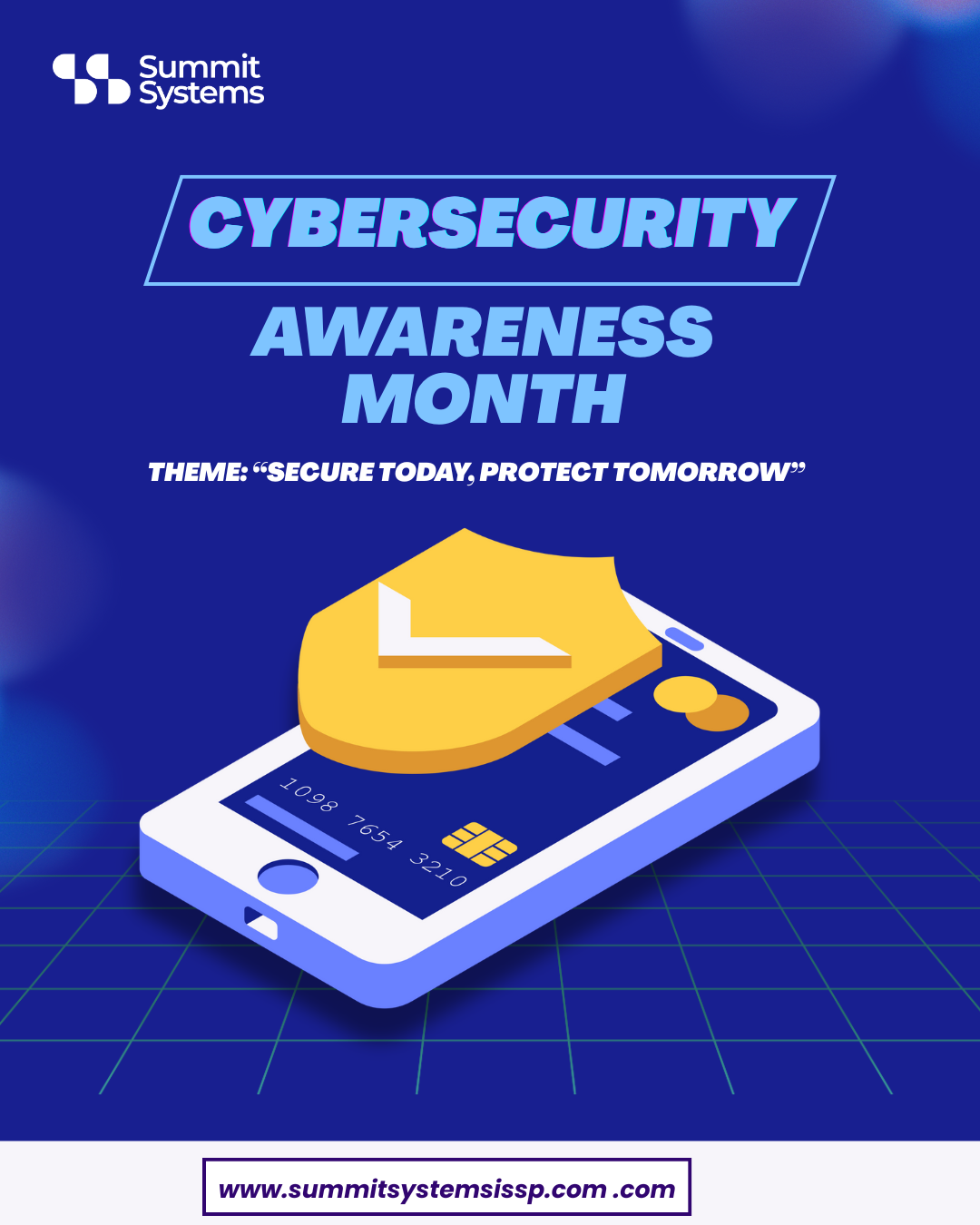
  • Cybersecurity Awareness Month: Strengthening Our Digital Defenses Together

    Cybersecurity Awareness Month: Strengthening Our Digital Defenses Together

    October marks Cybersecurity Awareness Month, a global initiative dedicated to promoting safer online practices and helping individuals and organizations protect themselves in an increasingly connected world. At Summit Systems, we believe cybersecurity is not just an IT issue—it’s a shared responsibility that affects every employee, client, and partner across our digital ecosystem.

    Why Cybersecurity Matters More Than Ever

    In today’s digital era, data has become one of the most valuable assets for any organization. From customer information to internal systems, our networks hold critical data that must be safeguarded. Yet, with the rise of remote work, cloud computing, and advanced cyber threats, the risk of data breaches, phishing, and ransomware attacks continues to grow.

    Cybercriminals are becoming more sophisticated—leveraging social engineering, artificial intelligence, and automation to exploit vulnerabilities. That’s why awareness and vigilance are key.

    This Year’s Theme: “Secure Today, Protect Tomorrow”

    The theme emphasizes the importance of proactive cybersecurity measures. Small actions taken today—such as using strong passwords, enabling multi-factor authentication, and being cautious with emails and links—can make a big difference in protecting our systems and data in the long term.

    At Summit Systems, we are committed to empowering our people with the knowledge and tools needed to recognize and prevent cyber threats. Throughout this month, we will be sharing practical tips, resources, and best practices to help everyone strengthen their cybersecurity posture—both at work and at home.

    Simple Steps to Stay Cyber-Safe

    Here are a few key reminders for all employees and partners:

    1. Think Before You Click: Always verify the source of emails and links before clicking or sharing information.
    2. Use Strong, Unique Passwords: Avoid using the same password across multiple accounts. Consider using a password manager.
    3. Enable Multi-Factor Authentication (MFA): Add an extra layer of protection to your accounts.
    4. Update Regularly: Keep your devices and applications up to date to patch security vulnerabilities.
    5. Report Suspicious Activity: If you notice something unusual, don’t ignore it—report it immediately to your IT or security team.

    Our Commitment at Summit Systems

    Cybersecurity is a continuous journey, not a destination. Summit Systems remains dedicated to implementing advanced security technologies, training our staff, and fostering a culture of cybersecurity awareness. Together, we can build a safer digital environment—one click at a time.

    Let’s Stay Secure, Together

    As we celebrate Cybersecurity Awareness Month, let’s all commit to being informed, alert, and proactive. By staying educated and practicing good cyber hygiene, we can protect not just our organization, but also the trust our clients and communities place in us.

    Media Disclaimer: This report is based on internal and external research obtained through various means. The information provided is for reference purposes only, and users bear full responsibility for their reliance on it. Summitsystemsissp assumes no liability for the accuracy or consequences of using this

  • Hospital Sisters Health System Agrees to $7.6 Million Settlement Over Data Breach Lawsuit

    Hospital Sisters Health System Agrees to $7.6 Million Settlement Over Data Breach Lawsuit

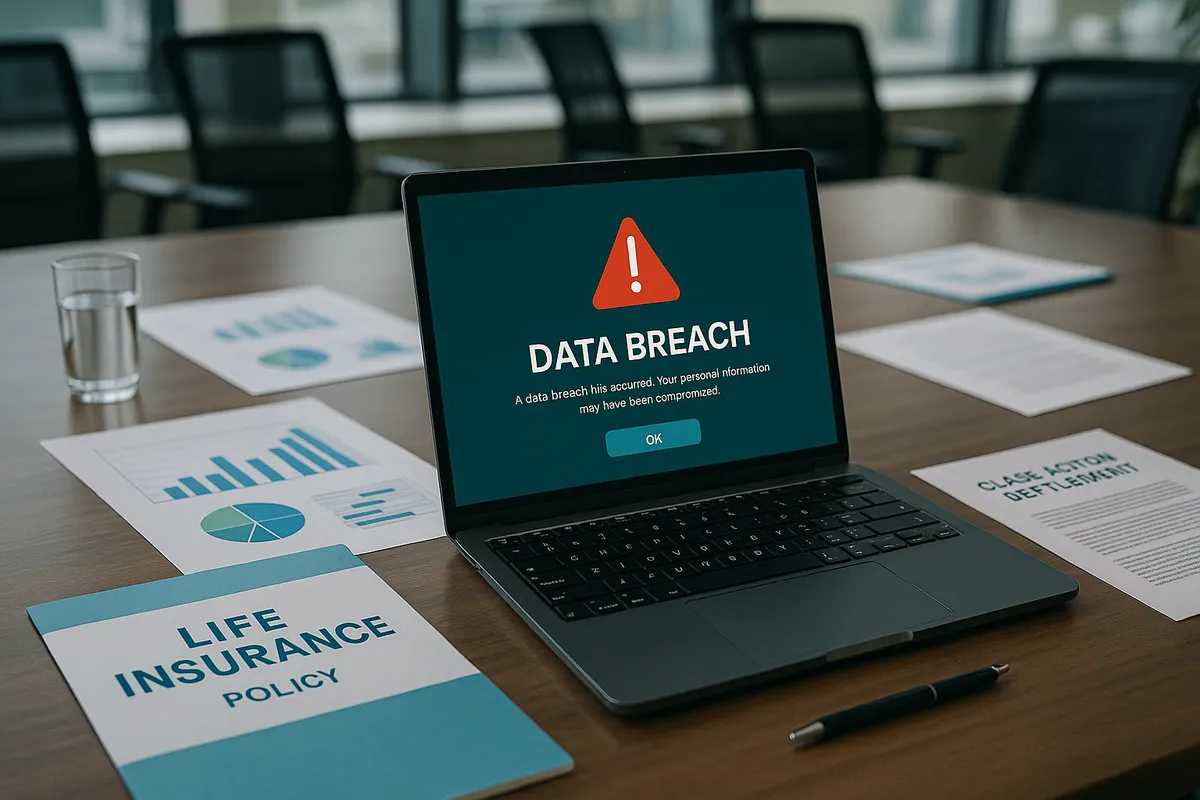
    Hospital Sisters Health System Settles Class Action Data Breach Lawsuit for $7.6 Million

    In a major development in healthcare cybersecurity liability, Hospital Sisters Health System (HSHS) has reached a settlement of $7.6 million to resolve class action claims arising from a cyberattack in August 2023.

    What Happened: The Data Incident

    • Between August 16 and August 27, 2023, threat actors gained unauthorized access to HSHS’s systems.
    • The breach impacted approximately 883,000 individuals, including patients and employees.
    • The intrusion disrupted critical services: computer systems, phone lines, websites, and specifically HSHS’s MyChart and MyPrevea applications were taken offline for several days.
    • Files accessed included personally identifiable information (PII) and protected health information (PHI).
    • Notice letters to affected individuals began in October 2023.

    The Class Action and Settlement Terms

    After multiple lawsuits were filed over common claims, the cases were consolidated into In re Hospital Sisters Health System Data Breach Litigation, in the Chancery Court of Sangamon County, Illinois.

    HSHS denies all allegations of liability but agreed to settle to avoid protracted litigation.

    Under the proposed settlement:

    Class members may enroll in two years of financial data monitoring, via the CyEx Financial Shield package.

    • A $1 million financial fraud insurance policy is included.
    • Individuals can claim reimbursement of documented, unreimbursed losses (up to $5,000 per member) or choose a pro rata cash payment option.

    The settlement also allocates funds to attorney fees, administrative costs, and class representative awards.

    Key deadlines include:

    Submit claim / opt out / object November 14, 2025

    Final fairness hearing December 4, 2025

    Implications for Healthcare & Cybersecurity

    This settlement underscores several key lessons:

    1. Health systems are high-value targets. A successful breach in a large hospital network can affect hundreds of thousands of individuals and incur multi-million dollar exposure.
    2. Cyber risk translates to legal risk. Even with denials of wrongdoing, organizations may choose to settle to control costs, avoid uncertainty, and limit reputational damage.
    3. Class action exposure in data incidents is growing. Plaintiffs typically assert negligence in failing to implement adequate security measures and failing to detect intruders in time.
    4. Beyond penalties: operational and regulatory consequences. Hospitals must revisit cybersecurity governance, incident response, monitoring, and compliance obligations (e.g. under HIPAA, state data breach laws) to reduce future risk.
    5. Notification and remediation matter. Timely, transparent communication with affected individuals and offering monitoring / insurance benefits can mitigate further harm and bolster public trust.

    At Summit Systems, advising large healthcare networks facing such exposures, our recommendations would include:

    • A rigorous post-incident forensic review: map intrusion paths, root causes, and vulnerabilities.
    • Harden perimeter and internal segmentation, with multi-factor authentication, zero-trust controls, and continuous monitoring.
    • Deploy advanced threat detection (e.g. EDR, behavioral analytics) to catch anomalies early.
    • Conduct regular tabletop incident response drills involving legal, clinical, IT, PR, and compliance teams.
    • Maintain a robust vendor/third-party risk management program.
    • Ensure backup and recovery processes are secured and tested—so operational services (like MyChart) can resume quickly.
    • Prepare standardized playbooks for breach notification, legal handling, and class action scenarios.

    Conclusion

    The $7.6 million settlement by HSHS is yet another example of the powerful financial and reputational stakes connected to health data breaches. For hospitals, health systems, and any entity that handles sensitive personal information, cybersecurity is no longer just a technical concern—it is a strategic, compliance, legal, and business imperative.

    Media Disclaimer: This report is based on internal and external research obtained through various means. The information provided is for reference purposes only, and users bear full responsibility for their reliance on it. Summitsystemsissp assumes no liability for the accuracy or consequences of using this information

  • FinWise Bank Breach: 689,000 Customers Affected in Major Insider Incident

    FinWise Bank Breach: 689,000 Customers Affected in Major Insider Incident

    FinWise Bank, a U.S.-based institution offering embedded banking services, is facing serious fallout from a recent data breach in which a former employee is alleged to have accessed sensitive customer information. An estimated 689,000 individuals have been affected.

    The incident, which reportedly took place on May 31, 2024, remained undetected until June 18, 2025, and customers were formally notified in late July 2025.


    What Data Was Compromised

    While some details remain redacted, publicly disclosed information indicates that the following personal data may have been accessed:

    • Full names
    • Dates of birth
    • Social Security numbers
    • Account numbers

    Because these are types of data often used in identity verification, theft or fraud, the risk to affected individuals is material.

    Risks & Impact

    Some of the risks to affected individuals include:

    • Identity Theft: usage of SSNs, birth dates could allow fraudsters to open credit lines, commit loans, etc.
    • Financial Fraud: unauthorized access to bank or account numbers.
    • Phishing / Social Engineering: exposure of personal data makes individuals more vulnerable.
    • Long-term Risk: effects could surface over months/years; just because there’s no immediate harm doesn’t mean future risk is low.

    For the institution and its partners, the damage includes reputational harm, regulatory exposure (for delayed notification), and potential class-action litigation. Indeed, law firms such as Edelson Lechtzin LLP are already investigating possible claims.


    What Went Right

    Not everything failed—in response to the breach, FinWise:

    • Engaged outside cybersecurity professionals to conduct a forensic investigation and manual document review.
    • Offered affected customers 12 months of free credit monitoring and identity theft protection.

    What Could Have Been Better

    Based on the available information, the breach could have been mitigated or the damage reduced via:

    1. Shorter detection time — the long interval between breach and discovery increased exposure.
    2. Faster notification — regulatory and ethical best practices generally require prompt disclosure once harm is possible.
    3. Better insider access controls — ensuring former employees lose access immediately and access logs are monitored.
    4. Data minimization & segregation — storing only what’s absolutely needed and isolating sensitive info so breaches are harder to exploit.
    5. Strong oversight of third-party/affiliate relationships — since some data came via American First Finance (AFF), clarity of responsibility and security standards matters.

    Lessons for Organizations & Action Steps

    For companies wanting to avoid similar incidents, or to respond well if they occur, here are key takeaways:

    • Implement Zero-Trust and Least Privilege Principles: Ensure employees (current or former) have only the access they need for their role, revoked immediately upon role change or exit.
    • Comprehensive Logging & Monitoring: Detect anomalous access or access by accounts that should not have access. Regular audits.
    • Incident Response Planning: Have clear procedures for detection, investigation, and notification. Test them routinely.
    • Transparency & Communication: Once a breach is confirmed or seriously suspected, timely notification to affected parties and, where required, regulators.
    • Offer Remediation: Credit monitoring, identity protection services; help customers understand what to do.
    • Legal & Regulatory Compliance: Make sure data handling, notification policies align with relevant laws (e.g. data protection / breach-notification statutes in your jurisdiction).

    What Affected Individuals Should Do

    If you suspect you are among those affected, here are steps to take now:

    1. Review any notices from FinWise / American First Finance carefully. The notice should detail what data was compromised.
    2. Enroll in the credit monitoring / identity protection service offered.
    3. Monitor bank account statements, credit reports, and bills for unfamiliar activity.
    4. Consider placing a fraud alert or freezing credit reports.
    5. Change passwords (especially if any accounts use same or similar credentials).
    6. Beware of phishing or scams—breached data often leads to targeted attacks.

    Conclusion

    The FinWise Bank breach serves as a strong reminder that insider threats remain one of the hardest to defend against—especially when detection is delayed, or access isn’t tightly controlled. For organizations operating in highly regulated spaces like finance, failing to respond quickly and transparently can multiply the damage—not just financially, but in trust.

    For Summit Systems’ clients and readers: this event underscores the importance of robust security culture, rigorous access controls, and nimble incident response. It’s not enough to prevent all breaches; organizations must also prepare to detect, manage, and recover from them well.

    Media Disclaimer: This report is based on internal and external research obtained through various means. The information provided is for reference purposes only, and users bear full responsibility for their reliance on it. Summitsystemsissp assumes no liability for the accuracy or consequences of using this information