Author: admin

  • U.S. Intelligence: China Admitted Running Volt Typhoon Hack Attacks

    U.S. Intelligence: China Admitted Running Volt Typhoon Hack Attacks

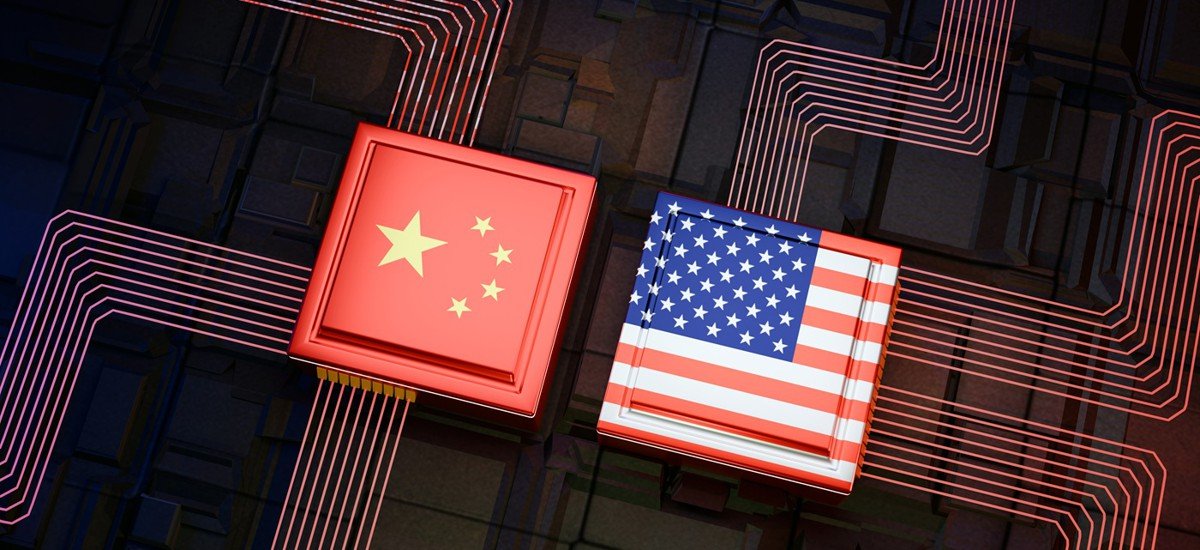
    In a surprising development, Chinese officials reportedly admitted to conducting the Volt Typhoon cyberattacks aimed at U.S. critical infrastructure during a confidential meeting with U.S. counterparts last December, according to sources cited by The Wall Street Journal. The acknowledgment, made in Geneva, allegedly tied the operations to escalating U.S. support for Taiwan, raising concerns about geopolitical tensions spilling into cyberspace.

    The Volt Typhoon campaign, first exposed by Microsoft in May 2023, has been described as a sophisticated effort by state-sponsored Chinese hackers to infiltrate vital U.S. systems, including communications, energy, transportation, and water sectors. U.S. authorities, including the FBI and Cybersecurity and Infrastructure Security Agency (CISA), have warned that the group’s activities appear designed to preposition for potential disruption in the event of a conflict, particularly over Taiwan.

    During the Geneva talks, Chinese representatives reportedly framed the cyberattacks as a response to U.S. policies, though Beijing has publicly denied any involvement, dismissing accusations as a “political farce” meant to justify American surveillance. China’s National Computer Virus Emergency Response Center has previously claimed the Volt Typhoon narrative was fabricated by the U.S. to secure funding and bolster its own cyber capabilities.

    The admission, if accurate, marks a rare instance of China acknowledging offensive cyber operations, though the secretive nature of the meeting leaves room for skepticism. Neither U.S. nor Chinese officials have officially confirmed the report, and details remain murky. The revelation comes amid heightened U.S.-China friction, with Taiwan remaining a flashpoint.

    U.S. cybersecurity officials continue to urge critical infrastructure organizations to strengthen defenses against such threats, emphasizing timely patching, multifactor authentication, and replacing outdated devices. The FBI disrupted parts of Volt Typhoon’s network in January 2024, but experts warn the group remains active, exploiting vulnerabilities in routers and other edge devices to maintain persistent access.

    As both nations navigate this shadow war in cyberspace, the reported admission underscores the growing challenge of deterring state-backed hacking while avoiding broader escalation. For now, the U.S. is left grappling with how to respond to a threat that could disrupt the backbone of its society—potentially at a moment’s notice.

    Media Disclaimer: This report is based on internal and external research obtained through various means. The information provided is for reference purposes only, and users bear full responsibility for their reliance on it. Summitsystemsissp assumes no liability for the accuracy or consequences of using this information
  • Ransomware Hits State Bar of Texas: Personal Data Stolen in Major Cybersecurity Breach

    Ransomware Hits State Bar of Texas: Personal Data Stolen in Major Cybersecurity Breach

    In a stark reminder of the persistent threat of ransomware, the State Bar of Texas recently disclosed that it fell victim to a cyberattack, resulting in the theft of sensitive personal information. The breach, which occurred between January 28 and February 9, 2025, was detected on February 12, prompting an immediate response from the organization. The INC ransomware gang has since claimed responsibility, leaking samples of stolen data—including legal case documents—on its dark web extortion site. This incident underscores the growing sophistication of cyber threats targeting professional organizations and the critical need for robust cybersecurity measures.

    The Breach: What Happened?

    The State Bar of Texas, the second-largest bar association in the United States with over 100,000 active members, oversees the licensing, ethical conduct, and disciplinary actions of attorneys across the state. On February 12, 2025, the organization identified suspicious network activity, triggering an investigation that revealed unauthorized access spanning nearly two weeks. During this period, attackers exfiltrated files containing personal data, including Social Security numbers, driver’s license numbers, financial details, and medical information. While the exact number of affected individuals remains undisclosed, notifications have been sent to thousands, with filings indicating at least 2,700 impacted parties.

    The INC ransomware gang, which emerged in mid-2023, added the State Bar to its leak site in late February, signaling a breakdown in negotiations or a refusal to pay the ransom. Although the State Bar has not confirmed whether a ransom was paid, it reported no evidence of fraudulent misuse of the stolen data as of early April. To mitigate risks, affected individuals are being offered 12 to 24 months of free identity theft and credit monitoring services.

    Implications for the Legal Sector

    The breach carries significant implications beyond individual privacy concerns. As a regulatory body handling sensitive legal data, the State Bar’s compromise highlights the vulnerability of organizations integral to the justice system. “What’s particularly concerning here is the nature of the exposed data,” said Steve Povolny, Senior Director at Exabeam. “Legal case documents and personally identifiable information can undermine legal processes and jeopardize ongoing litigation.” For cybersecurity professionals, this incident serves as a case study in the cascading effects of a single breach on a highly interconnected ecosystem.

    The attack aligns with a broader trend of ransomware groups targeting professional services, with law firms and legal institutions increasingly in the crosshairs. The INC gang, known for spear phishing and exploiting software vulnerabilities, has claimed over 80 confirmed attacks since its inception, including several against government entities in 2025 alone. This escalation reflects the evolving tactics of cybercriminals, who now prioritize data theft and extortion over mere encryption.

    Lessons for ISSPs: Strengthening Defenses

    For Information Systems Security Professionals (ISSPs), the State Bar of Texas breach offers critical takeaways to enhance organizational resilience:

    1. Proactive Threat Detection: The 13-day window of unauthorized access suggests a need for improved real-time monitoring. Deploying advanced endpoint detection and response (EDR) solutions can help identify anomalous activity before significant damage occurs.
    2. Data Segmentation and Encryption: Sensitive data, such as PII and legal documents, should be segmented and encrypted to limit exposure during a breach. This layered approach reduces the value of stolen files to attackers.
    3. Incident Response Readiness: The State Bar’s swift engagement of forensic experts underscores the importance of a well-defined incident response plan. Regular tabletop exercises can ensure teams are prepared to act decisively.
    4. Multi-Factor Authentication (MFA): Enforcing MFA across all access points—especially for external-facing systems—remains a proven deterrent against credential-based attacks like those favored by INC.
    5. Backup Integrity: Ransomware groups often target backups to maximize leverage. Off-site, immutable backups tested for rapid restoration are essential to avoid paying ransoms.

    A Call to Action

    The State Bar of Texas incident is not an isolated event but part of a broader wave of cyberattacks targeting critical institutions. As ransomware evolves into a dual-threat model—combining encryption with data extortion—ISSPs must adapt their strategies to protect both systems and information. The legal sector, with its wealth of sensitive data and high stakes, cannot afford to lag in this arms race.

    Summit System ISSP encourages its members to leverage this breach as a catalyst for reviewing their own security postures. Collaboration with industry peers, investment in cutting-edge tools, and ongoing education are vital to staying ahead of threat actors like INC. As the State Bar works to restore trust and harden its defenses, the cybersecurity community must rally to ensure such incidents become lessons rather than precedents.

    Media Disclaimer: This report is based on internal and external research obtained through various means. The information provided is for reference purposes only, and users bear full responsibility for their reliance on it. Summitsystemsissp assumes no liability for the accuracy or consequences of using this information
  • Samsung Data Leak: A Wake-Up Call for Cyber Resilience

    Samsung Data Leak: A Wake-Up Call for Cyber Resilience

    In a concerning development for both consumers and cybersecurity professionals, Samsung has data breach. Recent reports confirm that a hacker successfully infiltrated Samsung’s systems and leaked sensitive customer data, including personally identifiable information (PII). This breach not only jeopardizes consumer trust but also highlights critical lessons for organizations across industries.

    What Happened?

    According to early investigations, the attacker exploited vulnerabilities in Samsung’s customer service infrastructure, gaining unauthorized access to internal databases. The stolen information reportedly includes customer names, email addresses, phone numbers, and in some cases, order details.

    The attacker, whose identity remains unknown, posted a sample of the data on a popular hacking forum, claiming to possess over 10 million customer records. Samsung has acknowledged the breach and launched an internal investigation, stating that their security team is working closely with external cybersecurity experts and law enforcement agencies to determine the full scope of the incident.

    Implications of the Breach

    This data leak raises several concerns:

    • Customer Trust Erosion: Breaches like this erode consumer confidence in a brand’s ability to protect their data.
    • Financial Risks: Samsung may face legal and regulatory consequences, including potential fines under global data protection laws such as GDPR and CCPA.
    • Reputation Damage: The long-term impact on Samsung’s brand reputation could be significant, affecting customer retention and investor confidence.
    • Target for Future Attacks: Once a breach occurs, companies often become prime targets for follow-up attacks from threat actors exploiting perceived weaknesses.

    Key Lessons for Organizations

    At Summit Systems ISSP, we emphasize the importance of proactive cybersecurity strategies. The Samsung breach serves as a critical reminder of the following best practices:

    1. Routine Security Assessments: Conduct regular vulnerability scans and penetration tests to uncover weaknesses before attackers do.
    2. Zero Trust Architecture: Implement identity-based access control to ensure only authorized users can access sensitive systems.
    3. Employee Security Awareness: Human error remains one of the top causes of data breaches. Ongoing security training is essential.
    4. Incident Response Plans: Having a robust, tested incident response plan can mitigate the damage from data breaches and reduce recovery time.
    5. Third-Party Risk Management: Vendors and third-party platforms must be evaluated continuously for compliance and security integrity.

    How Summit Systems ISSP Can Help

    Cyber threats are evolving at an alarming pace, and even global tech giants are not immune. Summit Systems ISSP supports organizations by providing:

    • Cybersecurity posture assessments
    • Data protection and privacy compliance audits
    • 24/7 threat monitoring and incident response
    • Staff awareness training and phishing simulations
    • NIST CSF 2.0 and ISO 27001 compliance consulting

    As we observe the fallout from this incident, now is the time for organizations to reassess their cybersecurity frameworks. Don’t wait for a breach to expose your vulnerabilities—take action today.

    Media Disclaimer: This report is based on internal and external research obtained through various means. The information provided is for reference purposes only, and users bear full responsibility for their reliance on it. Summitsystemsissp assumes no liability for the accuracy or consequences of using this information
  • Google’s Threat Intel Team Sounds Alarm on Cybercrime and National Security Risks

    Google’s Threat Intel Team Sounds Alarm on Cybercrime and National Security Risks

    In an increasingly digitized world, the rise of cybercrime has emerged as a formidable challenge not just to individuals and businesses, but to the very fabric of national security. A recent report from Google’s Threat Intelligence Team underscores this growing danger, highlighting how sophisticated cybercriminals are exploiting technological advancements to undermine governments, critical infrastructure, and societal stability.

    The Escalating Cyber Threat Landscape

    Cybercrime is no longer confined to isolated incidents of data theft or financial fraud. According to Google’s experts, the modern threat landscape involves highly organized groups—some state-sponsored, others independent—that deploy advanced tactics to infiltrate systems and wreak havoc. From ransomware attacks crippling hospitals and energy grids to espionage campaigns targeting sensitive government data, these activities pose risks that extend far beyond monetary losses.

    The report points to a sharp uptick in attacks on critical infrastructure, such as power plants, water systems, and transportation networks. These sectors, often reliant on aging technology and interconnected systems, are prime targets for disruption. A single successful breach could paralyze entire regions, erode public trust, and destabilize national defense mechanisms.

    Nation-State Actors and Cyber Mercenaries

    One of the most alarming trends identified by Google’s Threat Intelligence Team is the role of nation-state actors. Countries with advanced cyber capabilities are increasingly using digital warfare to assert dominance, gather intelligence, or weaken adversaries without firing a single shot. These state-backed operations often blur the lines between traditional espionage and outright sabotage.

    Compounding the issue is the rise of “cyber mercenaries”—private groups or individuals offering their hacking skills to the highest bidder, including governments. This commodification of cyber expertise has lowered the barrier to entry for malicious actors, enabling even smaller nations or rogue organizations to launch devastating attacks.

    The Economic and Social Toll

    The ripple effects of cybercrime on national security are profound. Economically, the cost of mitigating attacks and recovering from breaches drains public and private resources. Socially, the erosion of trust in digital systems—whether banking, voting, or communication—can fuel unrest and division. Google’s report cites instances where misinformation campaigns, amplified by stolen data or hacked accounts, have swayed public opinion or disrupted democratic processes.

    A Call for Collaboration

    The Google Threat Intelligence Team emphasizes that combating this threat requires a unified response. Governments, tech companies, and international organizations must collaborate to strengthen cybersecurity frameworks, share threat intelligence, and develop resilient systems. Public awareness, too, plays a critical role—individuals and businesses must adopt better digital hygiene to reduce vulnerabilities that cybercriminals exploit.

    Innovations like artificial intelligence and machine learning, already leveraged by Google to detect and neutralize threats, offer hope. However, the same technologies are being weaponized by attackers, creating an escalating arms race in cyberspace.

    The Path Forward

    As of March 17, 2025, the stakes could not be higher. Cybercrime’s threat to national security is not a distant possibility—it’s a present reality. The Google Threat Intelligence Team’s findings serve as both a warning and a call to action. Nations must prioritize cybersecurity as a cornerstone of defense strategy, recognizing that in the 21st century, the battlefield extends into the digital realm.

    Failure to act decisively could leave societies vulnerable to an enemy that operates in the shadows, striking without warning and leaving chaos in its wake. The time to bolster our defenses is now—before the next attack redefines the cost of inaction.

    Media Disclaimer: This report is based on internal and external research obtained through various means. The information provided is for reference purposes only, and users bear full responsibility for their reliance on it. Summitsystemsissp assumes no liability for the accuracy or consequences of using this information
  • Microsoft Flags Six Active Zero-Days, Patches 57 Flaws in Latest Security Update

    Microsoft Flags Six Active Zero-Days, Patches 57 Flaws in Latest Security Update

    In its latest Patch Tuesday release, Microsoft has issued fixes for 57 security vulnerabilities, including six zero-day exploits that are actively being targeted by cybercriminals. These patches are crucial in fortifying systems against potential attacks and ensuring the security of users across various Microsoft products.

    Overview of the Zero-Days

    The six actively exploited zero-day vulnerabilities span multiple Microsoft services and products. These include flaws in Windows, Office, and other essential components that could allow attackers to execute malicious code, escalate privileges, or bypass security features.

    Among the most critical vulnerabilities addressed:

    • CVE-2025-26633 – A security bypass vulnerability in Microsoft Management Console that allows an attacker to circumvent security features locally. In phishing scenarios, an attacker could trick a user into opening a malicious file or visiting a compromised website, requiring user interaction. Rated Important, CVSS score 7.8/10.
    • CVE-2025-24993 – A heap-based buffer overflow in Windows NTFS that enables attackers to execute code locally. Microsoft clarifies that while the attack is performed locally, the attacker can initiate it remotely. CVSS score 7.8.
    • CVE-2025-24991 – An out-of-bounds read vulnerability in Windows NTFS that allows attackers with authorized access to extract small portions of heap memory. Exploitation involves tricking a user into mounting a specially crafted virtual hard disk (VHD). CVSS score 5.5.
    • CVE-2025-24985 – An integer overflow flaw in the Windows Fast FAT Driver that permits unauthorized attackers to execute code locally. Similar to CVE-2025-24991, attackers can lure users into mounting a malicious VHD to trigger the vulnerability. CVSS score 7.8.
    • CVE-2025-24984 – A flaw in Windows NTFS that results in the exposure of sensitive data through log files. Attackers require physical access to the system, where inserting a malicious USB drive could allow them to extract portions of heap memory. CVSS score 4.6.

    Other Critical Fixes

    Apart from the zero-days, Microsoft addressed 51 other vulnerabilities spanning various threat categories, including:

    • Remote Code Execution (RCE) – Several flaws that could enable attackers to execute malicious code remotely.
    • Elevation of Privilege (EoP) – Security gaps that allow attackers to gain unauthorized access to higher privilege levels.
    • Denial of Service (DoS) – Bugs that could lead to service disruptions and downtime.
    • Security Feature Bypass (SFB) – Vulnerabilities that undermine built-in security controls, making systems more susceptible to attacks.

    Implications for Organizations and Users

    The exploitation of zero-day vulnerabilities often leads to data breaches, malware infections, and system compromise. Organizations using Microsoft products should apply the latest security updates immediately to mitigate these threats. Delaying patches increases the risk of cyberattacks that can result in financial and reputational damage.

    IT administrators and cybersecurity teams should:

    1. Apply the patches promptly to all affected systems.
    2. Monitor for indicators of compromise (IoCs) to detect potential exploitation attempts.
    3. Educate users on recognizing phishing attempts and malicious document attachments that could trigger these vulnerabilities.

    Microsoft’s latest security update underscores the persistent threat posed by zero-day vulnerabilities and other software flaws. With cybercriminals continuously evolving their tactics, staying vigilant and ensuring timely patch management remains essential for safeguarding digital environments. Organizations and individuals should prioritize these updates to protect their systems from potential attacks.

    Media Disclaimer: This report is based on internal and external research obtained through various means. The information provided is for reference purposes only, and users bear full responsibility for their reliance on it. Summitsystemsissp assumes no liability for the accuracy or consequences of using this information

  • Deepfake Fraud: The Growing Threat to Celebrities

    Deepfake Fraud: The Growing Threat to Celebrities

    The rise of artificial intelligence (AI) has brought remarkable advancements in various industries, but it has also introduced new challenges, one of which is deepfake fraud. Deepfake technology uses AI to manipulate images, videos, and audio, creating realistic but entirely fake content. Celebrities are among the primary victims of this digital deception, facing risks that range from reputational damage to financial fraud.

    How Deepfake Fraud Works Deepfake technology leverages deep learning algorithms to generate realistic videos and audio clips. It can be used to swap faces in videos, synthesize voices, and create entirely fabricated scenes. This technology has been exploited for various malicious purposes, including:

    • Fake Endorsements: Celebrities are falsely depicted endorsing products or political ideologies they have no affiliation with.
    • Scams and Fraud: Deepfakes have been used to trick fans, businesses, and even financial institutions into believing fraudulent messages from celebrities.
    • Defamation and Blackmail: Malicious actors create compromising or inappropriate content featuring celebrities to damage their reputation or extort money.

    Recent Cases of Deepfake Celebrity Fraud Several high-profile cases highlight the growing threat of deepfake fraud against celebrities:

    • Tom Hanks AI Scam: In 2023, a deepfake video featuring Tom Hanks promoting a dental plan surfaced online. Hanks quickly denounced the ad, warning fans about the misuse of his likeness.
    • Taylor Swift Concert Scam: Scammers used AI-generated deepfake videos of Taylor Swift to sell fake tickets to her concerts, deceiving thousands of fans.
    • Scarlett Johansson’s Deepfake Battle: The actress has been vocal about the unauthorized use of her image and voice in AI-generated videos, raising concerns about privacy violations.
    • Steve Harvey AI Hoax: A deepfake video of Steve Harvey recently circulated online, falsely showing him endorsing financial schemes. The comedian and TV host swiftly addressed the issue, warning his audience about AI-generated scams using his likeness.

    The Legal and Ethical Challenges The rapid advancement of deepfake technology has outpaced existing laws, making it difficult to hold perpetrators accountable. Some key challenges include:

    • Lack of Regulations: Many countries do not have specific laws addressing deepfake fraud, creating legal loopholes.
    • Privacy Violations: Celebrities’ likenesses are being used without consent, raising concerns about digital identity theft.
    • Difficulty in Detection: As deepfake technology improves, distinguishing real content from fake becomes increasingly challenging.

    Combating Deepfake Fraud To protect celebrities and the general public from deepfake fraud, several measures are being implemented:

    • AI Detection Tools: Companies like Microsoft and Deeptrace are developing AI-powered tools to detect deepfake content.
    • Stronger Legislation: Governments are working on laws to criminalize malicious deepfake use and protect individuals from identity fraud.
    • Public Awareness Campaigns: Celebrities and advocacy groups are educating the public on recognizing and reporting deepfake scams.

    Conclusion Deepfake fraud presents a growing threat to celebrities, posing risks to their reputation, finances, and personal security. As AI technology continues to evolve, proactive measures, legal frameworks, and technological solutions must be put in place to combat this digital menace. Until then, public vigilance and responsible AI usage remain crucial in mitigating the dangers of deepfake fraud.

    Media Disclaimer: This report is based on internal and external research obtained through various means. The information provided is for reference purposes only, and users bear full responsibility for their reliance on it. Summitsystemsissp assumes no liability for the accuracy or consequences of using this information.