Author: Cyber Security Class

  • North Korean Hackers Target Universities in Data Theft Campaign

    North Korean Hackers Target Universities in Data Theft Campaign

    North Korea’s advanced persistent threat (APT) group, Kimsuky, has significantly escalated its cyberattacks on universities worldwide, according to new findings from cybersecurity firm Resilience.

    Known for its relentless pursuit of sensitive information, Kimsuky has historically focused on South Korean government entities and think tanks. However, recent evidence indicates a broadening scope, with universities emerging as prime targets for the group’s espionage operations.

    Sophisticated Phishing and Data Exfiltration

    Resilience’s investigation revealed that Kimsuky employs highly sophisticated phishing campaigns, often masquerading as academics or journalists to gain the trust of university staff, researchers, and professors. Once inside university networks, the group actively seeks out valuable research data and intellectual property that can benefit North Korea’s limited scientific community.

    The stolen information is believed to be directly channeled to the Reconnaissance General Bureau (RGB), North Korea’s primary foreign intelligence agency. This aligns with the regime’s broader goal of acquiring advanced technologies and knowledge to bolster its military and economic capabilities.

    Expanding Threat Landscape

    Beyond its espionage activities, there’s growing evidence suggesting that Kimsuky is also involved in financially motivated cybercrime. This dual-pronged approach could be a strategic move to fund the group’s operations while simultaneously advancing North Korea’s geopolitical interests.

    Resilience’s analysis highlighted Kimsuky’s use of custom-built tools, such as “SendMail,” to distribute phishing emails and capture login credentials. The group’s ability to adapt and refine its tactics underscores the persistent and evolving nature of the threat posed by state-sponsored cyber actors.

    Protecting Against Kimsuky Attacks

    To mitigate the risk of falling victim to Kimsuky’s attacks, Resilience recommends the following measures:

    • Implement strong multi-factor authentication (MFA): Using phish-resistant MFA methods, such as hardware tokens or push notifications, can significantly enhance account security.
    • Verify website authenticity: Users should carefully examine website URLs before entering sensitive information, as Kimsuky often employs phishing pages that closely mimic legitimate university portals.
    • Regular security awareness training: Educating employees about the latest phishing tactics can help prevent successful attacks.
    • Leverage threat intelligence: Staying informed about the latest threat landscape can enable organizations to proactively identify and address potential vulnerabilities.

    As the threat from state-backed cyber groups continues to grow, universities and other organizations must invest in robust cybersecurity measures to protect their sensitive data and intellectual property.

  • Extensive Data Breach at UK Government Linked to Russian Espionage

    Extensive Data Breach at UK Government Linked to Russian Espionage

    A cyberespionage operation conducted by Russia’s foreign intelligence service earlier this year compromised the personal data and emails of British government officials. The attack, previously unreported, exploited a breach at Microsoft, which provides corporate services to the UK’s Home Office.

    The hackers initially targeted Microsoft before leveraging their access to infiltrate the email accounts and data of several of the tech giant’s clients, including the British government. While the Home Office’s systems were not directly compromised, sensitive corporate email data shared between the department and Microsoft, and hosted by the latter, was stolen.

    Microsoft first disclosed in January that a hacking group, later attributed to Russia’s SVR intelligence agency, had accessed the email accounts of its senior executives. Subsequently, the company confirmed that the hackers had also infiltrated customer emails and internal systems.

    Despite Microsoft’s early warning, the Home Office only reported the incident to the UK’s data protection regulator, the ICO, in May. This delay contravenes British data protection laws, which mandate reporting data breaches within 72 hours of discovery.

    The ICO has since concluded that no further action is necessary. However, experts warn that the stolen data could pose a significant risk to the UK government and its officials.

    Christopher Steele, a former British intelligence officer, described the attack as part of a more aggressive stance adopted by the Kremlin since the invasion of Ukraine. James Sullivan, a cyber research director, emphasized the need for greater vendor diversity to mitigate risks associated with relying on a small number of providers for critical services.

    Microsoft has denied any compromise of its customer-facing systems and claimed to have notified affected customers. However, the extent of the damage caused by the breach remains unclear.

    Key Points:

    • Russian hackers targeted Microsoft and exploited access to steal data from clients, including the UK government.
    • Home Office data was not directly compromised, but corporate email data shared with Microsoft was stolen.
    • The UK government delayed reporting the incident to the data protection regulator.
    • Experts warn of the potential risks posed by the stolen data and the need for greater vendor diversity.
  • Eighteen-Year-Old Vulnerability Allows Attackers to Bypass All Browser Defenses

    Eighteen-Year-Old Vulnerability Allows Attackers to Bypass All Browser Defenses

    Researchers at Oligo Security have uncovered a critical, 18-year-old vulnerability dubbed “0.0.0.0 Day” that poses a severe threat to all major web browsers, including Chrome, Firefox, and Safari. This flaw allows malicious websites to circumvent robust browser security measures and directly interact with services operating on a local network. The potential consequences are dire, including unauthorized access, data breaches, and even remote code execution.

    How Does It Work?

    The root of the problem lies in the inconsistent implementation of security mechanisms across different browsers and a general lack of standardization within the industry. The seemingly innocuous IP address, 0.0.0.0, often used as a placeholder, has been exploited to grant attackers access to local services, ranging from development tools to core operating system components.

    By leveraging this vulnerability, malicious actors can:

    • Bypass browser security: Circumventing safeguards designed to protect users.
    • Access local services: Gain unauthorized entry to applications and systems on the same network.
    • Steal data: Exfiltrate sensitive information from compromised devices.
    • Execute malicious code: Take complete control of affected systems.

    The use of the 0.0.0.0 Day vulnerability allows attackers to port scan users, potentially leading to the identification of open ports and vulnerable services.

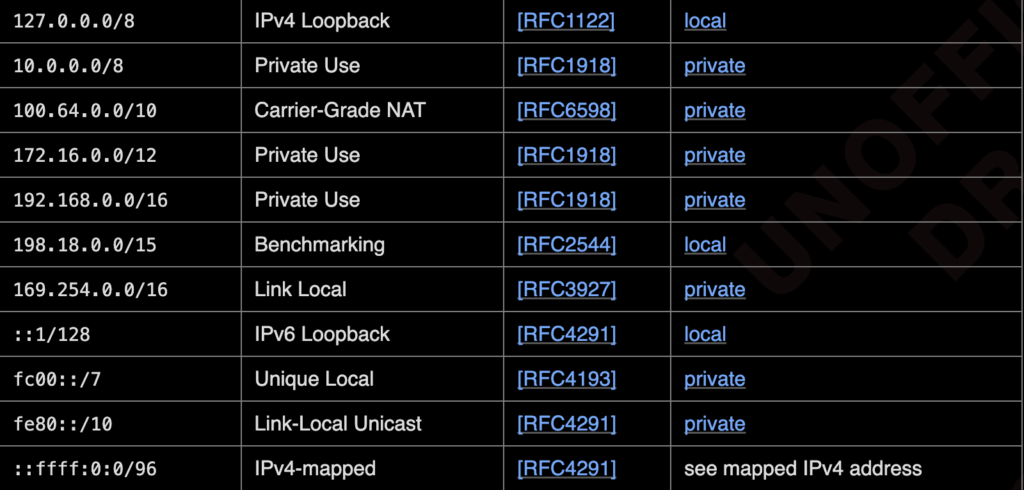
    Google’s introduction of Private Network Access (PNA) aims to extend CORS by restricting websites’ ability to send requests to servers on private networks. PNA proposes distinguishing between public, private, and local networks, preventing requests from being sent to more secure contexts.

    According to the current PNA specification, the following IP segments are considered private or local:

    Putting 0.0.0.0 To the Test: PNA Bypass

    A Longstanding Issue

    A bug report dating back to 2006 highlights the persistent nature of this problem. Despite numerous attempts to address it, the issue has remained unresolved until now. The lack of industry-wide standards for browser security has created an environment ripe for exploitation.

    Impact and Mitigation

    The implications of the 0.0.0.0 Day vulnerability are far-reaching, affecting both individuals and organizations. While the risk is heightened for users running macOS and Linux (Windows systems are less vulnerable due to OS-level protections), everyone is at risk.

    To mitigate the threat, browser vendors are actively working on patches and updates. Google Chrome and Chromium-based browsers are leading the charge with the implementation of Private Network Access (PNA), a feature designed to restrict website access to private networks. However, full protection will require time.

    Following responsible disclosure, browser vendors have acknowledged the security flaw and are working to implement browser-level mitigations.

    Google Chrome (and Chromium-based browsers like Edge)

    • PNA Initiative: Evolving Private Network Access (PNA) led by Google.
    • Vulnerability: 0.0.0.0 bypasses PNA, allowing access to private IPs.
    • Fix Rollout: Blocking 0.0.0.0 from Chrome 128, fully effective by Chrome 133.
    • Statistics: 0.015% of websites (around 100K) communicate with 0.0.0.0.

    Apple Safari

    • WebKit Changes: Now blocks 0.0.0.0 access.
    • Implementation: Requests to all-zero IP addresses are blocked.

    Mozilla Firefox

    • Current Status: No immediate fix; PNA not initially implemented.
    • Specification Update: Fetch specification updated to block 0.0.0.0.
    • Future Plans: Implementation of PNA will eventually block 0.0.0.0.

    A Call for Industry Collaboration

    The discovery of the 0.0.0.0 Day vulnerability underscores the urgent need for greater collaboration among browser developers. Establishing standardized security protocols and practices is essential to prevent similar vulnerabilities from emerging in the future.

    Until robust security measures are fully implemented, users are advised to exercise caution when browsing the web and avoid clicking on suspicious links or downloading files from unknown sources.

  • Two Critical XSS Vulnerabilities in Roundcube Allows Easy Email Account Compromise

    Two Critical XSS Vulnerabilities in Roundcube Allows Easy Email Account Compromise

    Two Cross-Site Scripting Vulnerabilities Threaten Millions of Users

    Popular open-source webmail software Roundcube has been found to contain two critical cross-site scripting (XSS) vulnerabilities, CVE-2024-42009 and CVE-2024-42008. These flaws can be exploited by attackers to steal sensitive user data, including emails, contacts, and passwords, as well as send malicious messages on behalf of compromised accounts.

    How the Attacks Work

    Both vulnerabilities allow attackers to execute malicious JavaScript code in a user’s browser when they view a specially crafted email. While CVE-2024-42009 requires no user interaction beyond opening the email, CVE-2024-42008 necessitates a single click but can be engineered to be virtually undetectable.

    Once exploited, attackers can gain persistent access to a victim’s browser, enabling them to steal information continuously or capture passwords as they are entered. Additionally, a third vulnerability, CVE-2024-42010, allows attackers to extract sensitive information through improperly filtered CSS styles within emails.

    A History of Roundcube Exploitation

    These latest vulnerabilities highlight a recurring pattern of Roundcube being targeted by cybercriminals. Previous attacks have leveraged similar flaws to compromise high-profile targets, including government agencies and think tanks. Notable incidents include:

    • June 2023: A spear-phishing campaign targeting Ukrainian state organizations exploited XSS and SQL injection vulnerabilities to steal data from Roundcube databases.
    • October 2023: The Winter Vivern APT group used a zero-day XSS vulnerability to target European government entities and a think tank.
    • February 2024: CISA mandated that US federal agencies patch a Roundcube XSS flaw actively exploited in the wild.

    Mitigating the Risk

    To protect against these threats, Roundcube administrators are urged to update their installations to versions 1.6.8 or 1.5.8 as soon as possible. Users who suspect their accounts may have been compromised should change their email passwords and clear their browser’s site data for Roundcube.

    While the technical details of these vulnerabilities have been withheld to give users time to patch their systems, the rapid exploitation of similar flaws in the past underscores the urgency of addressing this issue.

    Additional Information

    • Roundcube is widely used by European government agencies, hosting providers, and academic institutions worldwide.
    • The vulnerabilities affect Roundcube versions 1.6.7 and earlier, as well as 1.5.7 and earlier.
    • A third vulnerability, CVE-2024-42010, allows information disclosure through CSS manipulation.

    By understanding the severity of these vulnerabilities and taking immediate action, organizations can significantly reduce the risk of email account compromise and data theft.

  • Urgent Warning: Magniber Ransomware Threatening Home Users Worldwide

    Urgent Warning: Magniber Ransomware Threatening Home Users Worldwide

    A Notorious Threat Returns

    Evolving Tactics for Maximum Impact

    The Magniber ransomware, first appearing in 2017 as the successor to Cerber, has re-emerged with a vengeance. This time, attackers are primarily targeting home users worldwide, encrypting their devices and demanding hefty ransoms.

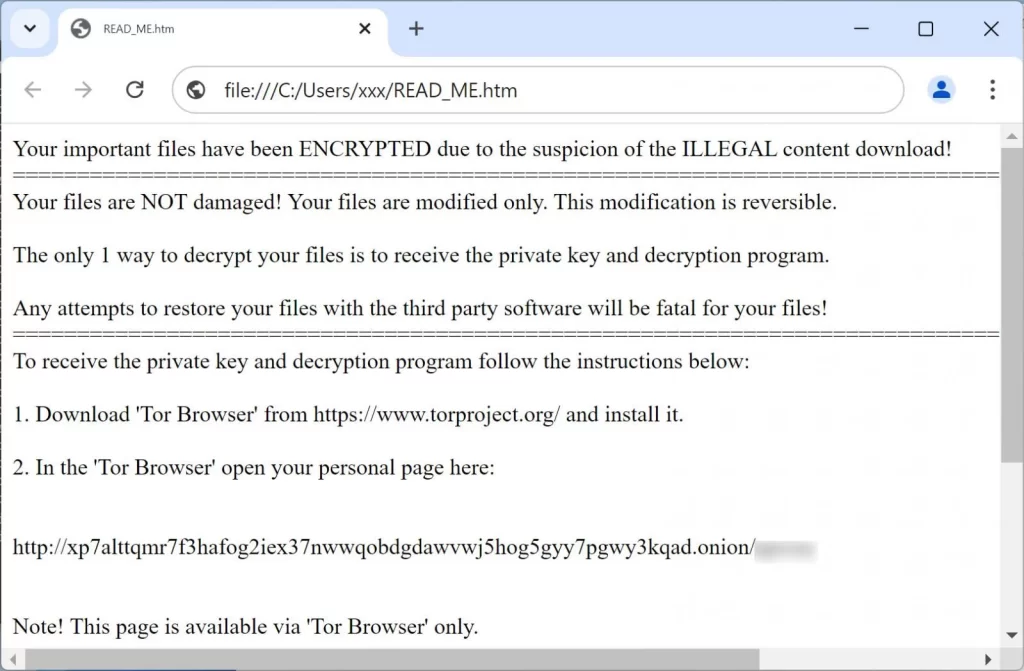
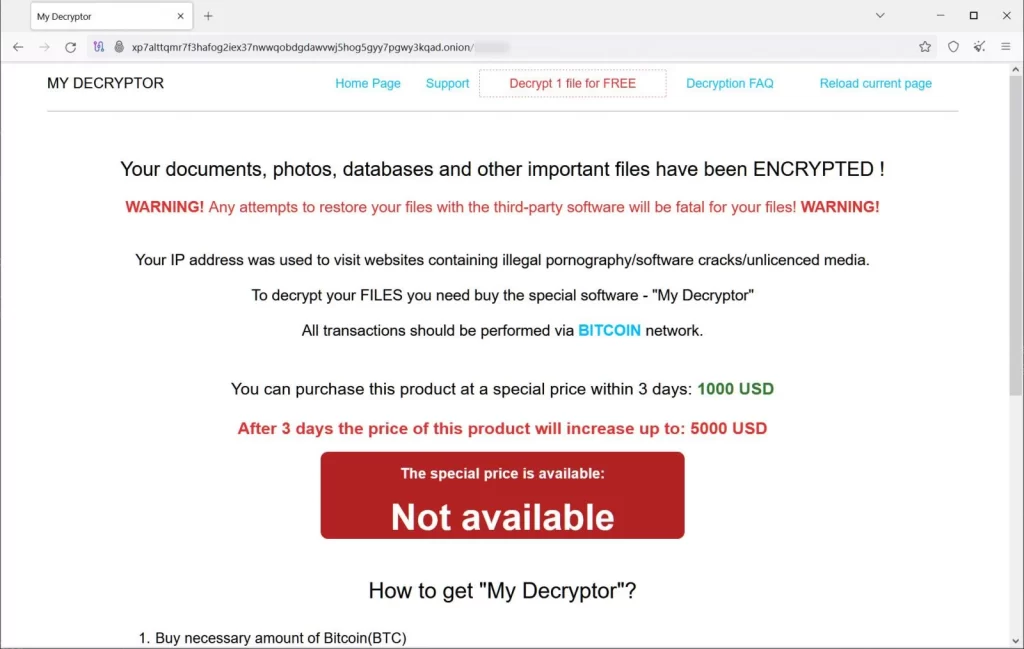
    Magniber ransom note

    Magniber has a long history of exploiting vulnerabilities. Initially distributed through the Magnitude exploit kit, it has since adopted a diversified approach. The current campaign leverages various methods, including:

    • Windows Zero-Day Exploits: Utilizing unpatched vulnerabilities in the Windows operating system allows attackers to bypass security measures and gain access to systems.
    • Deceptive Software Updates: Fake Windows and browser update notifications can trick users into downloading and installing malicious software disguised as legitimate updates.
    • Trojanized Software Cracks and Key Generators: Often advertised as free alternatives to paid software, these malware-laden programs trick users into compromising their own devices.

    No Easy Escape

    While a decryptor was briefly available in 2018, the threat actors behind Magniber have since patched the vulnerability it exploited. This means there’s currently no free way to recover files encrypted by the latest versions of Magniber.

    Magniber payment site

    The Warning Signs

    If your device falls victim to Magniber, you’ll likely experience the following:

    • Inaccessible Files: Important documents, photos, and other data become encrypted and unusable.
    • Ransom Note: A file named “READ_ME.htm” will appear, explaining the situation and demanding payment for decryption.
    • Escalating Ransom: The initial ransom demand of $1,000 increases to $5,000 within three days if not paid.

    Protecting Yourself from Magniber

    There is no guaranteed way to retrieve files encrypted by Magniber after infection. However, you can significantly reduce your risk by following these security best practices:

    • Avoid Software Cracks and Key Generators: These programs are a frequent source of malware, including ransomware.
    • Stay Updated: Regularly update your operating system, browser, and security software to address newly discovered vulnerabilities.
    • Be Wary of Download Links: Download software only from trusted sources and verify file authenticity before running them.
    • Maintain Backups: Regularly back up your data to a secure, external location to ensure you can recover files in case of an attack.

    By staying vigilant and practicing safe computing habits, you can significantly reduce the risk of falling victim to Magniber ransomware or any similar threats.

  • CrowdStrike Software Blamed for Global Tech Meltdown

    CrowdStrike Software Blamed for Global Tech Meltdown

    A major software outage on Friday caused widespread disruption across critical infrastructure, impacting airlines, banks, supermarkets, TV stations, and countless other businesses. Flights were grounded, news broadcasts were interrupted, and workers were left scrambling as systems went down.

    The outage appears to be global in scope, affecting millions of systems across the globe, from Australia to the United States. The culprit? CrowdStrike, a leading cybersecurity provider, and its Falcon Sensor software.

    A blue screen of death.

    What is CrowdStrike Falcon?

    Headquartered in Austin, Texas, CrowdStrike is a cybersecurity giant with nearly 10,000 employees. The company provides software solutions to thousands of businesses worldwide, protecting them against viruses, malware, and cyberattacks.

    CrowdStrike Falcon is a key component of this defense system. It acts as a vigilant guardian, running silently in the background on corporate systems, constantly scanning for and neutralizing any potential threats.

    The Domino Effect: Why Microsoft Was Heavily Impacted

    While Microsoft itself wasn’t the source of the problem, the issue stemmed from CrowdStrike Falcon, which primarily operates on Microsoft Windows systems. This explains why Microsoft devices were disproportionately affected compared to Apple Macs, for example. Microsoft confirmed they were investigating the incident.

    Government Reassurance: Not a Cyberattack

    Importantly, government officials emphasized that there is no evidence suggesting this outage was caused by a malicious hack or cyberattack.

    “Our current information is this outage relates to a technical issue with a third-party software platform,” stated National Cyber Security Coordinator Michelle McGuinness.

    This highlights the critical role robust cybersecurity infrastructure plays in protecting vital systems.

    An Unprecedented Outage in the Modern, Interconnected World

    While technical glitches affecting businesses like telcos, banks, and supermarkets are not uncommon, the sheer scale of this outage is a stark reminder of our deep dependence on technology and the increasingly interconnected nature of our modern world.

    Home Computers Not Affected

    There’s no need to worry about your personal computer being impacted. CrowdStrike Falcon is primarily deployed on large business and enterprise systems, not typical home Windows PCs.

    Temporary Workaround Available

    CrowdStrike has issued a temporary solution to mitigate the issue. Here’s what they recommend:

    1. Boot your Windows machine into Safe Mode or the Windows Recovery Environment (usually by holding the F8 key before the Windows logo appears).
    2. Navigate to the specific directory containing the problematic file: C:\Windows\System32\drivers\Crowdstrike
    3. Locate the file named “C-00000291*.sys” and rename it to “C-00000291*.renamed”
    4. Reboot your computer normally.

    This workaround should allow you to regain access to your system until a permanent fix is implemented by CrowdStrike.