Tag: vulnerability

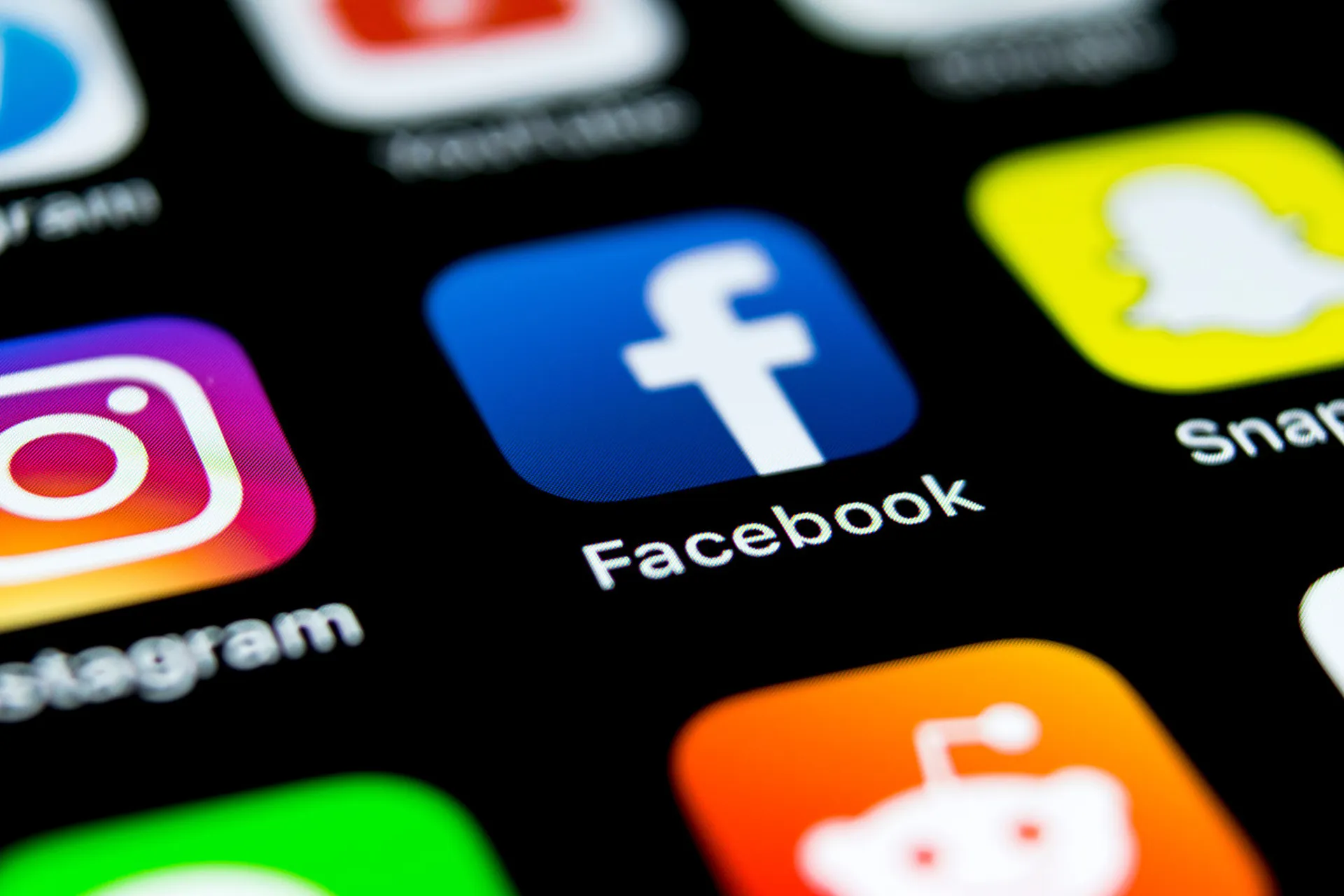
  • Over 62,000 Facebook Users Tricked by Fake AI Tools, Infected with Noodlophile Malware

    Over 62,000 Facebook Users Tricked by Fake AI Tools, Infected with Noodlophile Malware

    The rise of AI tools has been nothing short of exciting—everyone wants to try the latest chatbot, image generator, or virtual assistant. But cybercriminals are using this curiosity against us.

    Security experts recently uncovered a sneaky campaign where fake AI tools were used to spread a dangerous piece of malware called Noodlophile. Over 62,000 people—many of them active on Facebook—have already been targeted.

    Hooked by Curiosity: How It Starts

    Let’s face it: when we see ads promising free access to premium AI tools or exclusive early features, it’s tempting to click.

    That’s exactly what these attackers are banking on.

    They’re creating Facebook ads and posts that look legit—offering flashy downloads like:

    • “Try ChatGPT Premium for Free!”
    • “Unlock Midjourney’s Hidden Features”
    • “Boost Your Workflow with This AI Tool”

    But instead of downloading a real tool, users are tricked into installing Noodlophile malware on their devices.

    Meet Noodlophile: Silent but Dangerous

    Noodlophile doesn’t cause a pop-up or crash your screen—it works quietly in the background, stealing valuable personal data like:

    • Saved browser passwords
    • Session cookies (think: logged-in accounts)
    • Crypto wallet info
    • Clipboard contents
    • Your device’s system info

    It then sends all that data to the attacker’s server, all without you noticing a thing.

    How the Scam Works – Step by Step

    1. Enticing Facebook Ads: Fake AI tool promotions are posted or sponsored.
    2. Click & Redirect: You’re taken to a very convincing website that mimics real AI platforms.
    3. Download & Install: You download what looks like an AI app—but it’s actually malware.
    4. Game Over: Noodlophile gets to work stealing your data and securing its place on your system.

    Most victims had no idea anything was wrong—because the entire setup looked polished and professional.

    Why Facebook?

    Facebook is still a top target for cybercriminals because:

    • People trust what they see from friends or popular pages
    • Posts and links spread quickly through likes and shares
    • Ads can be narrowly targeted at specific users
    • Many users don’t double-check sources or think about cybersecurity

    This combination makes it a goldmine for attackers using social engineering tactics.

    How to Stay Safe Online

    Double-check the source – Only download tools from official websites or known platforms.
    Use antivirus or endpoint protection – Keep your security software updated.
    Enable two-factor authentication (2FA) – Adds an extra layer of protection to your accounts.
    Think before you click – If it sounds too good to be true, it probably is.
    Spread the word – Let friends and coworkers know about these scams so they can avoid them too.

    The AI wave isn’t slowing down anytime soon, and cybercriminals know it. They’re smart, opportunistic, and constantly evolving—using whatever is trending to get into our systems.

    So whether it’s a hot new AI tool or some freebie that seems amazing, pause and verify before you download.

    Stay safe, stay informed—and always click with caution.

    Media Disclaimer: This report is based on internal and external research obtained through various means. The information provided is for reference purposes only, and users bear full responsibility for their reliance on it. Summitsystemsissp assumes no liability for the accuracy or consequences of using this information

  • EU Fines TikTok €530 Million Over Illegal Data Sharing with China

    EU Fines TikTok €530 Million Over Illegal Data Sharing with China

    On May 2, 2025, Ireland’s Data Protection Commission (DPC) dropped a bombshell on TikTok, fining the social media giant €530 million ($600 million) for violating the EU’s General Data Protection Regulation (GDPR). The hefty penalty stems from TikTok’s unauthorized transfer of European user data to China, raising serious concerns about privacy and potential access by Chinese authorities. This marks one of the largest GDPR fines ever and underscores the EU’s aggressive stance on data protection.

    What Happened?

    According to the investigation conducted by the Irish Data Protection Commission (DPC)—the lead supervisory authority for TikTok in the EU—TikTok unlawfully processed the personal data of EU citizens, including minors, and transferred that data to China without transparent disclosures or valid legal mechanisms.

    The key issues include:

    • Lack of clarity and transparency on where user data was being sent.
    • Insufficient safeguards to protect personal data during cross-border transfers.
    • Processing of children’s data without adequate protection or consent.

    Why Is This Important?

    This fine serves as a major warning to any company operating in the EU, particularly those dealing with cross-border data transfers. The European Union has strict rules about sending data outside the bloc, especially to countries without similar data protection standards.

    Transferring EU citizens’ data to China—where the government has broad access to corporate data—raises both privacy and national security concerns.

    What TikTok Says

    TikTok has expressed disappointment in the decision and claims that it uses robust systems to ensure user privacy. The company insists that its data access is tightly controlled, and that it is investing heavily in data residency projects within the EU.

    “We strongly disagree with the decision and plan to appeal. We have made significant changes to address these issues,” said a TikTok spokesperson.

    Implications for Other Tech Companies

    This ruling is expected to intensify scrutiny of other major platforms—especially those with ties to non-EU countries. Companies like Meta, Google, and Amazon are also under watch for their data handling practices. It reinforces the importance of:

    • Local data storage and residency programs.
    • Clear user communication regarding data usage.
    • Proper legal mechanisms (such as Standard Contractual Clauses) for data transfers.

    What’s Next for TikTok?

    As TikTok faces legal appeals and possibly further investigations, it must also work on rebuilding trust with European regulators and users. A failure to comply could result in:

    • More sanctions or even temporary service restrictions.
    • Increased public backlash and political pressure.
    • A stronger push for data localization within the EU.

    This €530 million fine isn’t just about TikTok—it’s about the future of digital privacy in Europe. With growing global concerns about data sovereignty and surveillance, this case sets a powerful precedent. For users, it’s a reminder to be vigilant. For businesses, it’s a clear signal: Respect data protection laws, or face the consequences.

    Media Disclaimer: This report is based on internal and external research obtained through various means. The information provided is for reference purposes only, and users bear full responsibility for their reliance on it. Summitsystemsissp assumes no liability for the accuracy or consequences of using this information

  • DaVita Ransomware Breach: Implications for Cybersecurity in Healthcare

    DaVita Ransomware Breach: Implications for Cybersecurity in Healthcare

    In a stark reminder of the growing cybersecurity threats facing the healthcare sector, DaVita Inc., a leading kidney care provider, recently disclosed a ransomware attack that affected portions of its internal systems. The company reported the incident in a regulatory filing, triggering an immediate 3% drop in its stock price and raising questions about the sector’s preparedness for increasingly sophisticated cyber threats.

    DaVita announced that a ransomware group had gained unauthorized access to its network and encrypted critical systems. The company promptly launched its incident response protocol, engaged cybersecurity experts, and notified the relevant law enforcement authorities. While the company has not yet confirmed whether any patient data was compromised, investigations are ongoing.

    This development marks yet another entry in a growing list of ransomware attacks targeting healthcare and critical infrastructure, industries where system downtime can have life-threatening implications.

    Why Healthcare Is a Prime Target

    Healthcare organizations like DaVita manage vast troves of sensitive personal and health data, making them attractive to cybercriminals. Beyond data theft, the sector is vulnerable due to:

    • Legacy systems and outdated software
    • High reliance on network-connected devices
    • Understaffed cybersecurity teams
    • The urgency to restore services, often resulting in ransom payments

    As a cybersecurity thought leader, Summit Systems ISSP sees this incident as a crucial learning moment. Here are some takeaways for organizations, especially in critical sectors:

    1. Proactive Threat Monitoring

    Continuous monitoring and early detection mechanisms—such as Security Information and Event Management (SIEM) systems—can help identify unusual activity before it escalates.

    2. Robust Backup & Recovery Plans

    Offline and immutable backups are essential. Organizations must regularly test their disaster recovery protocols to ensure minimal disruption in the event of an attack.

    3. Zero Trust Architecture

    Implementing Zero Trust principles—“never trust, always verify”—helps limit lateral movement and protects high-value assets from unauthorized access.

    4. Staff Cyber Hygiene Training

    Frontline employees should be regularly trained to spot phishing, social engineering tactics, and suspicious activities. Human error remains the #1 attack vector.

    5. Incident Response Readiness

    A well-documented, regularly updated Incident Response Plan (IRP) ensures swift containment and remediation, limiting both operational and reputational damage.

    DaVita’s situation underscores the importance of a cyber resilience mindset—not just compliance. While no system is completely invulnerable, organizations that prioritize security posture, incident readiness, and continuous improvement will fare better in the face of modern cyber threats.

    Media Disclaimer: This report is based on internal and external research obtained through various means. The information provided is for reference purposes only, and users bear full responsibility for their reliance on it. Summitsystemsissp assumes no liability for the accuracy or consequences of using this information

  • Ransomware Hits State Bar of Texas: Personal Data Stolen in Major Cybersecurity Breach

    Ransomware Hits State Bar of Texas: Personal Data Stolen in Major Cybersecurity Breach

    In a stark reminder of the persistent threat of ransomware, the State Bar of Texas recently disclosed that it fell victim to a cyberattack, resulting in the theft of sensitive personal information. The breach, which occurred between January 28 and February 9, 2025, was detected on February 12, prompting an immediate response from the organization. The INC ransomware gang has since claimed responsibility, leaking samples of stolen data—including legal case documents—on its dark web extortion site. This incident underscores the growing sophistication of cyber threats targeting professional organizations and the critical need for robust cybersecurity measures.

    The Breach: What Happened?

    The State Bar of Texas, the second-largest bar association in the United States with over 100,000 active members, oversees the licensing, ethical conduct, and disciplinary actions of attorneys across the state. On February 12, 2025, the organization identified suspicious network activity, triggering an investigation that revealed unauthorized access spanning nearly two weeks. During this period, attackers exfiltrated files containing personal data, including Social Security numbers, driver’s license numbers, financial details, and medical information. While the exact number of affected individuals remains undisclosed, notifications have been sent to thousands, with filings indicating at least 2,700 impacted parties.

    The INC ransomware gang, which emerged in mid-2023, added the State Bar to its leak site in late February, signaling a breakdown in negotiations or a refusal to pay the ransom. Although the State Bar has not confirmed whether a ransom was paid, it reported no evidence of fraudulent misuse of the stolen data as of early April. To mitigate risks, affected individuals are being offered 12 to 24 months of free identity theft and credit monitoring services.

    Implications for the Legal Sector

    The breach carries significant implications beyond individual privacy concerns. As a regulatory body handling sensitive legal data, the State Bar’s compromise highlights the vulnerability of organizations integral to the justice system. “What’s particularly concerning here is the nature of the exposed data,” said Steve Povolny, Senior Director at Exabeam. “Legal case documents and personally identifiable information can undermine legal processes and jeopardize ongoing litigation.” For cybersecurity professionals, this incident serves as a case study in the cascading effects of a single breach on a highly interconnected ecosystem.

    The attack aligns with a broader trend of ransomware groups targeting professional services, with law firms and legal institutions increasingly in the crosshairs. The INC gang, known for spear phishing and exploiting software vulnerabilities, has claimed over 80 confirmed attacks since its inception, including several against government entities in 2025 alone. This escalation reflects the evolving tactics of cybercriminals, who now prioritize data theft and extortion over mere encryption.

    Lessons for ISSPs: Strengthening Defenses

    For Information Systems Security Professionals (ISSPs), the State Bar of Texas breach offers critical takeaways to enhance organizational resilience:

    1. Proactive Threat Detection: The 13-day window of unauthorized access suggests a need for improved real-time monitoring. Deploying advanced endpoint detection and response (EDR) solutions can help identify anomalous activity before significant damage occurs.
    2. Data Segmentation and Encryption: Sensitive data, such as PII and legal documents, should be segmented and encrypted to limit exposure during a breach. This layered approach reduces the value of stolen files to attackers.
    3. Incident Response Readiness: The State Bar’s swift engagement of forensic experts underscores the importance of a well-defined incident response plan. Regular tabletop exercises can ensure teams are prepared to act decisively.
    4. Multi-Factor Authentication (MFA): Enforcing MFA across all access points—especially for external-facing systems—remains a proven deterrent against credential-based attacks like those favored by INC.
    5. Backup Integrity: Ransomware groups often target backups to maximize leverage. Off-site, immutable backups tested for rapid restoration are essential to avoid paying ransoms.

    A Call to Action

    The State Bar of Texas incident is not an isolated event but part of a broader wave of cyberattacks targeting critical institutions. As ransomware evolves into a dual-threat model—combining encryption with data extortion—ISSPs must adapt their strategies to protect both systems and information. The legal sector, with its wealth of sensitive data and high stakes, cannot afford to lag in this arms race.

    Summit System ISSP encourages its members to leverage this breach as a catalyst for reviewing their own security postures. Collaboration with industry peers, investment in cutting-edge tools, and ongoing education are vital to staying ahead of threat actors like INC. As the State Bar works to restore trust and harden its defenses, the cybersecurity community must rally to ensure such incidents become lessons rather than precedents.

    Media Disclaimer: This report is based on internal and external research obtained through various means. The information provided is for reference purposes only, and users bear full responsibility for their reliance on it. Summitsystemsissp assumes no liability for the accuracy or consequences of using this information

  • Samsung Data Leak: A Wake-Up Call for Cyber Resilience

    Samsung Data Leak: A Wake-Up Call for Cyber Resilience

    In a concerning development for both consumers and cybersecurity professionals, Samsung has data breach. Recent reports confirm that a hacker successfully infiltrated Samsung’s systems and leaked sensitive customer data, including personally identifiable information (PII). This breach not only jeopardizes consumer trust but also highlights critical lessons for organizations across industries.

    What Happened?

    According to early investigations, the attacker exploited vulnerabilities in Samsung’s customer service infrastructure, gaining unauthorized access to internal databases. The stolen information reportedly includes customer names, email addresses, phone numbers, and in some cases, order details.

    The attacker, whose identity remains unknown, posted a sample of the data on a popular hacking forum, claiming to possess over 10 million customer records. Samsung has acknowledged the breach and launched an internal investigation, stating that their security team is working closely with external cybersecurity experts and law enforcement agencies to determine the full scope of the incident.

    Implications of the Breach

    This data leak raises several concerns:

    • Customer Trust Erosion: Breaches like this erode consumer confidence in a brand’s ability to protect their data.
    • Financial Risks: Samsung may face legal and regulatory consequences, including potential fines under global data protection laws such as GDPR and CCPA.
    • Reputation Damage: The long-term impact on Samsung’s brand reputation could be significant, affecting customer retention and investor confidence.
    • Target for Future Attacks: Once a breach occurs, companies often become prime targets for follow-up attacks from threat actors exploiting perceived weaknesses.

    Key Lessons for Organizations

    At Summit Systems ISSP, we emphasize the importance of proactive cybersecurity strategies. The Samsung breach serves as a critical reminder of the following best practices:

    1. Routine Security Assessments: Conduct regular vulnerability scans and penetration tests to uncover weaknesses before attackers do.
    2. Zero Trust Architecture: Implement identity-based access control to ensure only authorized users can access sensitive systems.
    3. Employee Security Awareness: Human error remains one of the top causes of data breaches. Ongoing security training is essential.
    4. Incident Response Plans: Having a robust, tested incident response plan can mitigate the damage from data breaches and reduce recovery time.
    5. Third-Party Risk Management: Vendors and third-party platforms must be evaluated continuously for compliance and security integrity.

    How Summit Systems ISSP Can Help

    Cyber threats are evolving at an alarming pace, and even global tech giants are not immune. Summit Systems ISSP supports organizations by providing:

    • Cybersecurity posture assessments
    • Data protection and privacy compliance audits
    • 24/7 threat monitoring and incident response
    • Staff awareness training and phishing simulations
    • NIST CSF 2.0 and ISO 27001 compliance consulting

    As we observe the fallout from this incident, now is the time for organizations to reassess their cybersecurity frameworks. Don’t wait for a breach to expose your vulnerabilities—take action today.

    Media Disclaimer: This report is based on internal and external research obtained through various means. The information provided is for reference purposes only, and users bear full responsibility for their reliance on it. Summitsystemsissp assumes no liability for the accuracy or consequences of using this information
  • Microsoft Flags Six Active Zero-Days, Patches 57 Flaws in Latest Security Update

    Microsoft Flags Six Active Zero-Days, Patches 57 Flaws in Latest Security Update

    In its latest Patch Tuesday release, Microsoft has issued fixes for 57 security vulnerabilities, including six zero-day exploits that are actively being targeted by cybercriminals. These patches are crucial in fortifying systems against potential attacks and ensuring the security of users across various Microsoft products.

    Overview of the Zero-Days

    The six actively exploited zero-day vulnerabilities span multiple Microsoft services and products. These include flaws in Windows, Office, and other essential components that could allow attackers to execute malicious code, escalate privileges, or bypass security features.

    Among the most critical vulnerabilities addressed:

    • CVE-2025-26633 – A security bypass vulnerability in Microsoft Management Console that allows an attacker to circumvent security features locally. In phishing scenarios, an attacker could trick a user into opening a malicious file or visiting a compromised website, requiring user interaction. Rated Important, CVSS score 7.8/10.
    • CVE-2025-24993 – A heap-based buffer overflow in Windows NTFS that enables attackers to execute code locally. Microsoft clarifies that while the attack is performed locally, the attacker can initiate it remotely. CVSS score 7.8.
    • CVE-2025-24991 – An out-of-bounds read vulnerability in Windows NTFS that allows attackers with authorized access to extract small portions of heap memory. Exploitation involves tricking a user into mounting a specially crafted virtual hard disk (VHD). CVSS score 5.5.
    • CVE-2025-24985 – An integer overflow flaw in the Windows Fast FAT Driver that permits unauthorized attackers to execute code locally. Similar to CVE-2025-24991, attackers can lure users into mounting a malicious VHD to trigger the vulnerability. CVSS score 7.8.
    • CVE-2025-24984 – A flaw in Windows NTFS that results in the exposure of sensitive data through log files. Attackers require physical access to the system, where inserting a malicious USB drive could allow them to extract portions of heap memory. CVSS score 4.6.

    Other Critical Fixes

    Apart from the zero-days, Microsoft addressed 51 other vulnerabilities spanning various threat categories, including:

    • Remote Code Execution (RCE) – Several flaws that could enable attackers to execute malicious code remotely.
    • Elevation of Privilege (EoP) – Security gaps that allow attackers to gain unauthorized access to higher privilege levels.
    • Denial of Service (DoS) – Bugs that could lead to service disruptions and downtime.
    • Security Feature Bypass (SFB) – Vulnerabilities that undermine built-in security controls, making systems more susceptible to attacks.

    Implications for Organizations and Users

    The exploitation of zero-day vulnerabilities often leads to data breaches, malware infections, and system compromise. Organizations using Microsoft products should apply the latest security updates immediately to mitigate these threats. Delaying patches increases the risk of cyberattacks that can result in financial and reputational damage.

    IT administrators and cybersecurity teams should:

    1. Apply the patches promptly to all affected systems.
    2. Monitor for indicators of compromise (IoCs) to detect potential exploitation attempts.
    3. Educate users on recognizing phishing attempts and malicious document attachments that could trigger these vulnerabilities.

    Microsoft’s latest security update underscores the persistent threat posed by zero-day vulnerabilities and other software flaws. With cybercriminals continuously evolving their tactics, staying vigilant and ensuring timely patch management remains essential for safeguarding digital environments. Organizations and individuals should prioritize these updates to protect their systems from potential attacks.

    Media Disclaimer: This report is based on internal and external research obtained through various means. The information provided is for reference purposes only, and users bear full responsibility for their reliance on it. Summitsystemsissp assumes no liability for the accuracy or consequences of using this information