Tag: phishing

  • Cyber Threat Alert: Fraudulent Google Play and Amazon Gift Card Phishing Schemes.

    Cyber Threat Alert: Fraudulent Google Play and Amazon Gift Card Phishing Schemes.

    Introduction

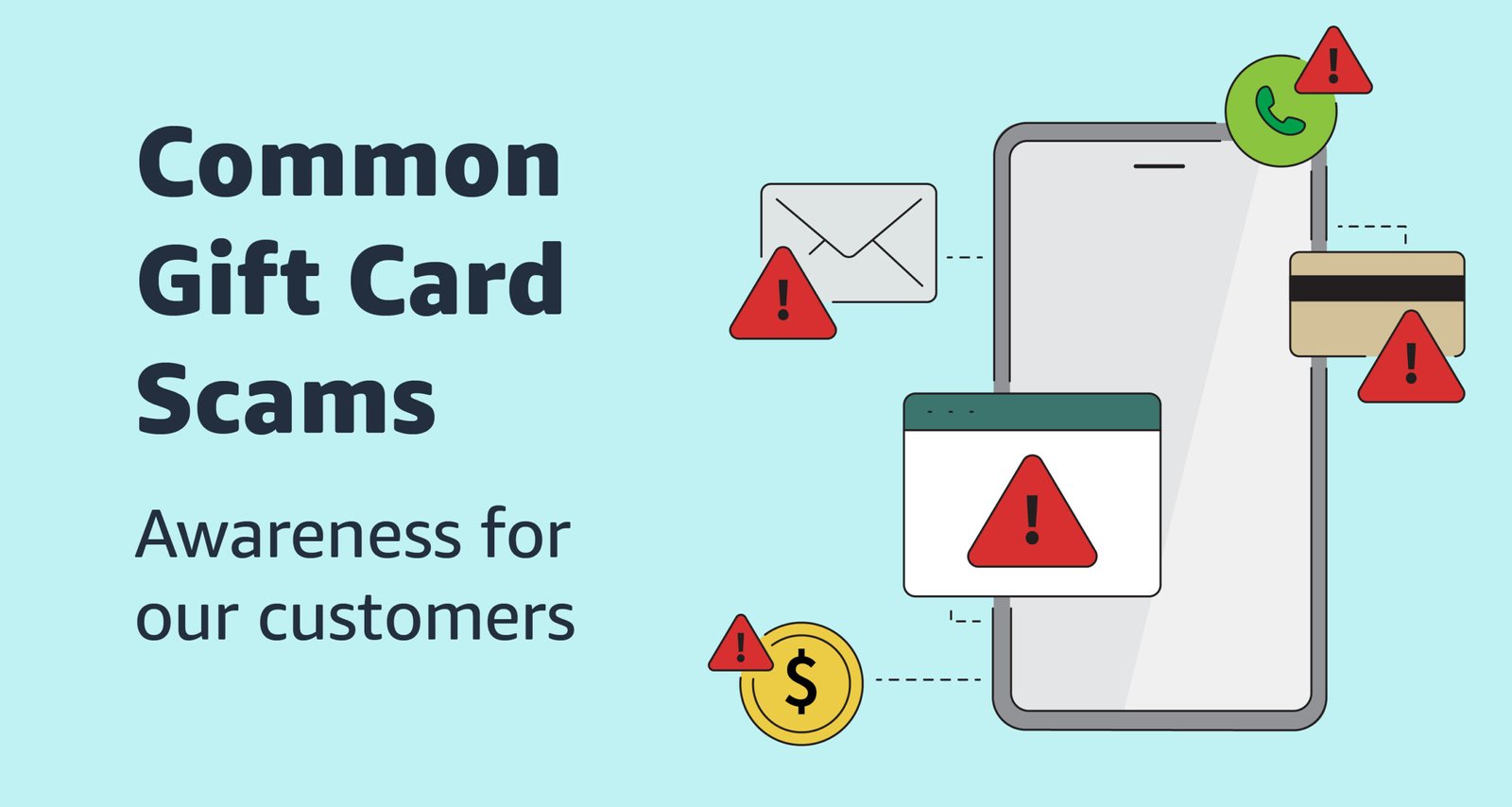
    Cybercriminals are deploying sophisticated phishing campaigns using hundreds of malicious domains to trick users into revealing their personal information. These scams falsely promise free Google Play and Amazon gift cards, luring victims into entering sensitive details such as email addresses, passwords, and financial data. Understanding how these scams work and recognizing warning signs is crucial in protecting yourself and your organization from cyber threats.

    How the Scam Works

    Fake Websites – Attackers create fraudulent websites that closely resemble legitimate reward sites, making it difficult for users to distinguish between real and fake offers.

    Social Engineering – Victims are enticed with attractive offers of free gift cards or promotional rewards.

    Data Harvesting – Once a user engages, they are prompted to enter sensitive information, including login credentials and payment details.

    Malware Distribution – Some of these sites also distribute malware, which can steal credentials, monitor user activity, or exploit system vulnerabilities.

    Indicators of a Scam
    Recognizing the red flags of phishing scams can help prevent falling victim to these malicious tactics:

    Too Good to Be True Offers – If an offer seems unrealistically generous, it likely is a scam. Legitimate companies rarely give away free gift cards without conditions.

    Suspicious URLs – Check website addresses carefully for misspellings, extra characters, or unknown domains.

    Requests for Personal Information – Be cautious if a site asks for login credentials, passwords, or credit card details in exchange for a reward.

    Urgency and Pressure Tactics – Scammers often create a sense of urgency, claiming that an offer is limited and pushing users to act fast.

    How to Stay Safe: Protect yourself and your organization by following these cybersecurity best practices:

    ✔ Verify the Source – Always confirm the legitimacy of any promotion by visiting the official website or contacting customer support.

    ✔ Use Multi-Factor Authentication (MFA) – Enabling MFA adds an extra layer of security to prevent unauthorized access to your accounts.

    ✔ Check Website Security – Ensure the site uses HTTPS and comes from a trusted domain before entering any personal details.

    ✔ Report Suspicious Sites – If you encounter a fraudulent website, report it using platforms like Google Safe Browsing to help protect others.

    Conclusion

    As cybercriminals continue to evolve their tactics, awareness and vigilance remain the best defense against phishing scams. Organizations and individuals should stay informed, verify sources, and implement cybersecurity best practices to avoid falling victim to these fraudulent schemes. By recognizing scam indicators and adopting proactive security measures, you can safeguard your personal and financial information from cyber threats.

    For more cybersecurity insights and protection tips, stay connected with Summit Systems.

    Media Disclaimer: This report is based on internal and external research obtained through various means. The information provided is for reference purposes only, and users bear full responsibility for their reliance on it. Summitsystemsissp assumes no liability for the accuracy or consequences of using this information.

  • Massive PowerSchool Data Breach Exposes Millions of Student and Educator Records

    Massive PowerSchool Data Breach Exposes Millions of Student and Educator Records

    The education sector is facing one of the most significant data breaches in recent history, as PowerSchool, a leading provider of Student Information Systems (SIS) in the U.S. and Canada, confirmed that hackers had stolen vast amounts of historical data from school districts. The breach, which has already impacted millions of students and educators, raises serious concerns about data security in educational institutions.

    On January 7, 2025, PowerSchool disclosed that attackers had accessed its SIS service through the PowerSource customer support portal. This breach enabled them to steal extensive personal data, including:

    • Names and contact information
    • Dates of birth
    • Medical records
    • Social Security numbers
    • Disability information
    • Race, ethnicity, and gender data
    • Parent/guardian/emergency contact details

    School districts confirmed that records dating back to 1985 were compromised, impacting over 72 million individuals, including 62.5 million students and 9.5 million educators across the U.S. and Canada.

    How Did This Happen?

    PowerSchool initially cited a “compromised credential” as the entry point for the breach. The Menlo Park City School District (MPCSD) reported that the compromised credential belonged to a maintenance account, granting broad access to customer data. Security researchers suspect that information-stealing malware may have been used to obtain this login information.

    The breach was detected on December 28, 2024, but evidence suggests that hackers had been exfiltrating data since December 22 using an export data manager. Despite working with cybersecurity firm CrowdStrike to investigate the breach, PowerSchool has not publicly disclosed further details about the attack.

    A Growing Crisis: Lawsuits and Fallout

    As more school districts reveal the extent of their data exposure, legal and reputational consequences for PowerSchool continue to mount:

    • Over 20 lawsuits have already been filed against the company.
    • School districts, including the Toronto District School Board (TDSB), reported that 1.5 million students were affected.
    • Data from 6,500 school districts may have been stolen, making this one of the largest education sector breaches to date.

    Despite claims that the stolen data was deleted after a ransom payment was made, PowerSchool is providing impacted individuals with two years of free identity theft and credit monitoring services.

    What Can Schools and Educators Do?

    Given the scale of this breach, affected institutions and individuals must take proactive steps to protect their data:

    1. Review Security Logs – Schools using PowerSchool’s SIS should analyze logs to determine the extent of data exfiltration.
    2. Monitor for Identity Theft – Impacted individuals should take advantage of PowerSchool’s credit monitoring offer and watch for suspicious activity.
    3. Strengthen Authentication Measures – Institutions should implement multi-factor authentication (MFA) and regularly rotate administrative credentials.
    4. Enhance Cybersecurity Training – Educators and administrators should be trained on recognizing phishing attempts and safeguarding sensitive information.

    Final Thoughts

    This breach highlights the urgent need for stronger cybersecurity measures in the education sector. Schools must reassess their security strategies to prevent future incidents, and vendors like PowerSchool must ensure that their systems are more resilient against cyber threats. Summit Systems is committed to helping organization bolster their cybersecurity defenses through advanced risk management strategies and compliance solutions.

    Media Disclaimer: This report is based on internal and external research obtained through various means. The information provided is for reference purposes only, and users bear full responsibility for their reliance on it. Summitsystemsissp assumes no liability for the accuracy or consequences of using this information.