Tag: cybersecurity

  • Bybit Hacked: Over $1.46 Billion in Ethereum Stolen

    Bybit Hacked: Over $1.46 Billion in Ethereum Stolen

    In one of the largest crypto security breaches to date, cryptocurrency exchange Bybit has reportedly suffered a major hack, resulting in the theft of over $1.46 billion worth of Ethereum (ETH). The attack, which targeted Bybit’s hot wallets, has sent shockwaves across the crypto community and raised concerns about the security of centralized exchanges.

    Details of the Hack

    According to initial reports, hackers exploited vulnerabilities in Bybit’s security infrastructure, gaining unauthorized access to its hot wallets. Blockchain analysts tracking the stolen funds indicate that the attackers swiftly moved large sums of Ethereum to multiple anonymous wallets to obscure their trail.

    Bybit confirmed the breach in an official statement, acknowledging the loss and assuring users that an investigation is underway. “We are actively working with blockchain forensic firms and law enforcement agencies to track and recover the stolen assets. The security of our users remains our top priority,” a Bybit spokesperson said.
    Impact on Users and the Crypto Market

    The hack has raised concerns among Bybit users, many of whom fear potential losses despite the exchange’s assurances of reimbursement.

    Crypto markets also reacted negatively to the news, with Ethereum’s price experiencing increased volatility. The breach has fueled ongoing debates about the security of centralized exchanges and the risks associated with storing digital assets on platforms that remain high-value targets for cybercriminals.

    Security Measures and Response

    In response to the attack, Bybit has temporarily suspended withdrawals and is conducting a comprehensive security review. The exchange has also urged users to enhance their security practices, including enabling two-factor authentication (2FA) and using cold wallets for long-term storage.

    Lessons from the Attack

    The Bybit hack serves as yet another reminder of the importance of robust cybersecurity in the crypto space. Experts emphasize the following precautions for users and exchanges:

    • Cold Storage Usage: Keeping significant holdings in offline wallets to minimize exposure to cyber threats.
    • Regular Security Audits: Conducting frequent vulnerability assessments to detect potential weaknesses.
    • Multi-Layer Authentication: Implementing stronger access controls to prevent unauthorized access.
    • Transparency in Incident Reporting: Promptly notifying users and the public about breaches to maintain trust and accountability.

    Conclusion

    As Bybit works to recover from the $1.46 billion security breach, the incident highlights the ongoing challenges facing centralized exchanges in safeguarding user assets. The attack reinforces the need for heightened security measures and increased awareness within the crypto community. Whether Bybit will recover the stolen funds remains uncertain, but the event serves as a wake-up call for both exchanges and investors to prioritize security in an increasingly digital financial landscape.

    Media Disclaimer: This report is based on internal and external research obtained through various means. The information provided is for reference purposes only, and users bear full responsibility for their reliance on it. Summitsystemsissp assumes no liability for the accuracy or consequences of using this information.
  • Cybersecurity Failures Lead to $11M Settlement for US Military Contractor HNFS

    Cybersecurity Failures Lead to $11M Settlement for US Military Contractor HNFS

    A major U.S. military health provider, Health Net Federal Services (HNFS), has agreed to pay an $11 million settlement following allegations of cybersecurity failures that potentially exposed sensitive data of military personnel. The settlement underscores the critical importance of stringent cybersecurity measures in protecting government and military-related information.

    HNFS, a subsidiary of Centene Corporation, provides healthcare services to military personnel, veterans, and their families under the TRICARE program. An investigation revealed that the company allegedly failed to implement adequate security protocols, which left sensitive data vulnerable to cyber threats. The Department of Justice (DOJ) and other federal agencies conducted the inquiry, resulting in the multimillion-dollar settlement.

    Key Cybersecurity Failures

    HNFS was found to have violated several cybersecurity compliance requirements, including:

    • Insufficient Data Encryption: Failure to encrypt sensitive patient records increased the risk of data breaches.
    • Weak Access Controls: Inadequate identity verification processes led to unauthorized access to protected health information (PHI).
    • Non-Compliance with Federal Standards: The contractor did not fully comply with the cybersecurity guidelines outlined in the Federal Information Security Modernization Act (FISMA) and the Health Insurance Portability and Accountability Act (HIPAA).

    Implications of the Settlement

    The $11 million settlement serves as a warning to other government contractors handling sensitive information. Federal agencies are placing increased scrutiny on cybersecurity practices, ensuring compliance with strict data protection standards.

    “This case highlights the government’s commitment to enforcing cybersecurity standards, particularly when national security and the privacy of military personnel are at stake,” said a DOJ spokesperson.

    Lessons for Government Contractors

    Organizations working with federal agencies must prioritize cybersecurity by implementing:

    • Robust Encryption Protocols: Protecting data at rest and in transit to prevent unauthorized access.
    • Regular Security Audits: Ensuring continuous compliance with federal cybersecurity regulations.
    • Employee Cybersecurity Training: Educating staff on best practices to mitigate risks and prevent data breaches.
    • Incident Response Planning: Preparing for potential cyber incidents with proactive security measures.

    Conclusion

    The settlement between HNFS and the U.S. government highlights the dire consequences of cybersecurity negligence. With increasing cyber threats targeting government contractors, compliance with strict security regulations is not optional—it is a necessity. The case serves as a stark reminder that failing to uphold cybersecurity standards can lead to significant financial and reputational damages.

    As the federal government continues to strengthen cybersecurity oversight, organizations must proactively address vulnerabilities to ensure data security and maintain trust in their operations.

    Media Disclaimer: This report is based on internal and external research obtained through various means. The information provided is for reference purposes only, and users bear full responsibility for their reliance on it. Summitsystemsissp assumes no liability for the accuracy or consequences of using this information.
  • Critical OpenSSH Vulnerabilities Expose Systems to Man-in-the-Middle and DoS Attacks — Patch Immediately!

    Critical OpenSSH Vulnerabilities Expose Systems to Man-in-the-Middle and DoS Attacks — Patch Immediately!

    Critical OpenSSH Vulnerabilities Discovered

    Security researchers have recently disclosed multiple vulnerabilities in OpenSSH, the widely used open-source implementation of the SSH protocol. These flaws could allow attackers to launch Man-in-the-Middle (MitM) attacks and Denial-of-Service (DoS) attacks, putting countless systems at risk. Organizations relying on OpenSSH for secure remote access should immediately patch their systems to mitigate these threats.

    Overview of the Vulnerabilities

    The newly identified vulnerabilities affect OpenSSH versions prior to the latest security patch. The two most critical flaws include:

    1. Man-in-the-Middle Attack Vulnerability(CVE-2024-####)
      • Attackers can intercept SSH traffic, potentially decrypting session data or injecting malicious commands.
      • This flaw stems from improper validation of SSH handshake integrity, allowing adversaries to manipulate authentication processes.
    2. Denial-of-Service (DoS) Vulnerability(CVE-2024-####)
      • Malicious actors can send specially crafted SSH messages, causing excessive CPU and memory consumption.
      • This can lead to system crashes or service disruptions, affecting business operations.

    Potential Impact on Organizations

    If exploited, these vulnerabilities could have severe consequences:

    • Compromised Authentication: Attackers can intercept or alter authentication requests, leading to unauthorized access.
    • Data Theft & Manipulation: Sensitive data transmitted over SSH sessions could be exposed.
    • Service Disruptions: Critical services relying on SSH for secure communications could be rendered inoperable.

    Mitigation & Recommended Actions

    Summit Systems ISSP strongly advises organizations to take the following actions immediately:

    1. Patch OpenSSH Immediately
      • Upgrade to the latest OpenSSH version that addresses these vulnerabilities.
      • Check official OpenSSH repositories and security advisories for the latest patch details.
    2. Enable Strict SSH Configurations
      • Use strict key exchange algorithms and disable outdated cryptographic protocols.
      • Implement multi-factor authentication (MFA) to enhance access security.
    3. Monitor & Audit SSH Traffic
      • Regularly review SSH logs for unusual login attempts or anomalies.
      • Deploy intrusion detection systems (IDS) to identify suspicious SSH activity.
    4. Restrict SSH Access
      • Limit SSH access to only necessary users and IP ranges.
      • Implement firewall rules to prevent unauthorized SSH connections.

    Conclusion

    With the growing threat landscape, ensuring the security of OpenSSH implementations is critical. Organizations should act immediately by applying patches, strengthening security configurations, and monitoring SSH activity. Summit Systems ISSP remains committed to helping businesses stay ahead of cyber threats through proactive security strategies.

    Media Disclaimer: This report is based on internal and external research obtained through various means. The information provided is for reference purposes only, and users bear full responsibility for their reliance on it. Summitsystemsissp assumes no liability for the accuracy or consequences of using this information.
  • Cyber Threat Alert: Fraudulent Google Play and Amazon Gift Card Phishing Schemes.

    Cyber Threat Alert: Fraudulent Google Play and Amazon Gift Card Phishing Schemes.

    Introduction

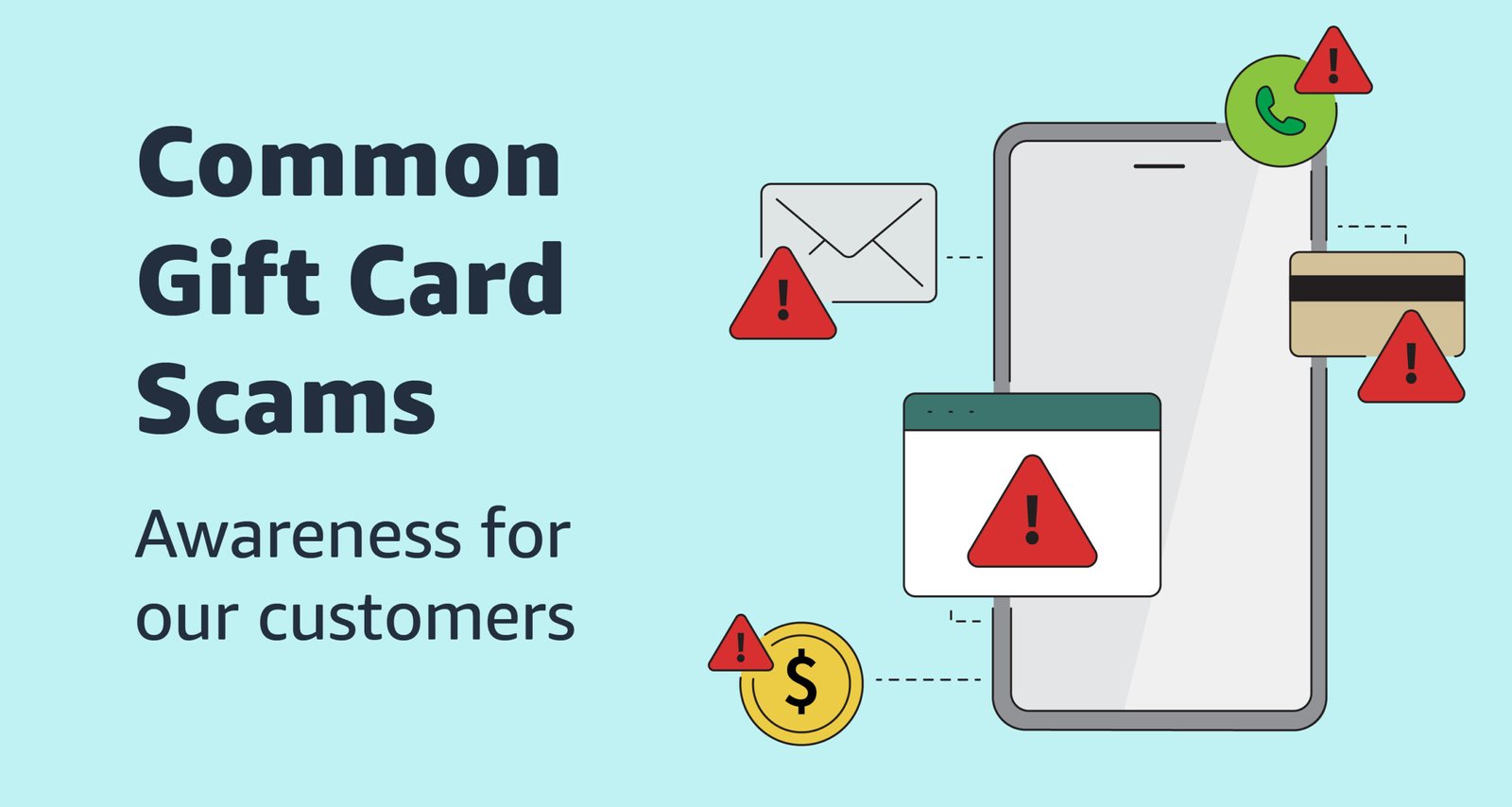
    Cybercriminals are deploying sophisticated phishing campaigns using hundreds of malicious domains to trick users into revealing their personal information. These scams falsely promise free Google Play and Amazon gift cards, luring victims into entering sensitive details such as email addresses, passwords, and financial data. Understanding how these scams work and recognizing warning signs is crucial in protecting yourself and your organization from cyber threats.

    How the Scam Works

    Fake Websites – Attackers create fraudulent websites that closely resemble legitimate reward sites, making it difficult for users to distinguish between real and fake offers.

    Social Engineering – Victims are enticed with attractive offers of free gift cards or promotional rewards.

    Data Harvesting – Once a user engages, they are prompted to enter sensitive information, including login credentials and payment details.

    Malware Distribution – Some of these sites also distribute malware, which can steal credentials, monitor user activity, or exploit system vulnerabilities.

    Indicators of a Scam

    Recognizing the red flags of phishing scams can help prevent falling victim to these malicious tactics:

    Too Good to Be True Offers – If an offer seems unrealistically generous, it likely is a scam. Legitimate companies rarely give away free gift cards without conditions.

    Suspicious URLs – Check website addresses carefully for misspellings, extra characters, or unknown domains.

    Requests for Personal Information – Be cautious if a site asks for login credentials, passwords, or credit card details in exchange for a reward.

    Urgency and Pressure Tactics – Scammers often create a sense of urgency, claiming that an offer is limited and pushing users to act fast.

    How to Stay Safe: Protect yourself and your organization by following these cybersecurity best practices:

    ✔ Verify the Source – Always confirm the legitimacy of any promotion by visiting the official website or contacting customer support.

    ✔ Use Multi-Factor Authentication (MFA) – Enabling MFA adds an extra layer of security to prevent unauthorized access to your accounts.

    ✔ Check Website Security – Ensure the site uses HTTPS and comes from a trusted domain before entering any personal details.

    ✔ Report Suspicious Sites – If you encounter a fraudulent website, report it using platforms like Google Safe Browsing to help protect others.

    Conclusion

    As cybercriminals continue to evolve their tactics, awareness and vigilance remain the best defense against phishing scams. Organizations and individuals should stay informed, verify sources, and implement cybersecurity best practices to avoid falling victim to these fraudulent schemes. By recognizing scam indicators and adopting proactive security measures, you can safeguard your personal and financial information from cyber threats.

    For more cybersecurity insights and protection tips, stay connected with Summit Systems.

    Media Disclaimer: This report is based on internal and external research obtained through various means. The information provided is for reference purposes only, and users bear full responsibility for their reliance on it. Summitsystemsissp assumes no liability for the accuracy or consequences of using this information.
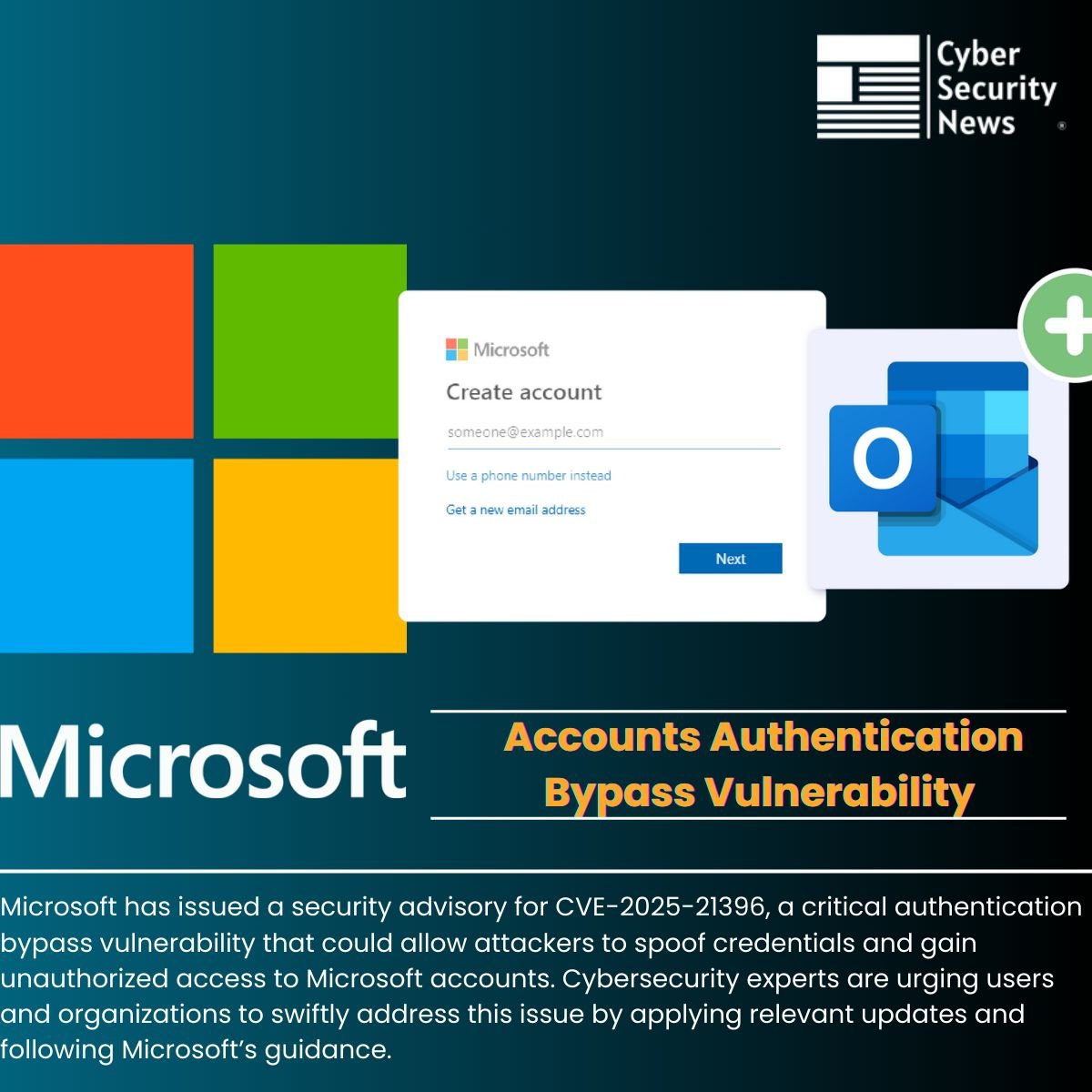
  • Microsoft Addresses Critical Authentication Bypass Vulnerability (CVE-2025-21396)

    Microsoft Addresses Critical Authentication Bypass Vulnerability (CVE-2025-21396)

    In a crucial security update, Microsoft has issued an advisory for CVE-2025-21396, a critical authentication bypass vulnerability that could enable attackers to spoof credentials and gain unauthorized access to Microsoft accounts. Summit Systems strongly advises organizations and individuals to take immediate steps to mitigate the associated risks.

    Understanding CVE-2025-21396

    CVE-2025-21396 is associated with CWE-290 (Authentication Bypass by Spoofing), a recognized security weakness affecting authentication mechanisms that lack robust validation methods. Malicious actors can exploit trust-based authentication models using techniques such as:

    • IP Spoofing: Attackers forge source IP addresses to impersonate trusted systems and gain unauthorized access.
    • DNS Spoofing: Manipulating DNS responses to redirect users to attacker-controlled domains.
    • Malformed or Manipulated Requests: Exploiting weak validation logic in application-layer protocols to bypass authentication measures.

    Due to the prevalent reliance on IP and DNS-based trust models, this vulnerability poses a significant risk, necessitating immediate remediation.

    Attack Scenarios and Potential Impact

    The vulnerability may be exploited in multiple ways, including:

    • Bypassing IP-Based Authentication: Organizations that rely solely on IP addresses for authentication may be at risk, as attackers can forge IP addresses to appear as trusted entities, bypassing security measures.
    • DNS-Based Host Verification Manipulation: Attackers can poison DNS caches, causing systems to trust a malicious domain masquerading as a legitimate Microsoft service.

    Considering the relative ease of executing IP spoofing and DNS cache poisoning attacks, CVE-2025-21396 is classified as a critical vulnerability with a high likelihood of exploitation.

    Microsoft’s Security Guidance & Recommended Mitigations

    Microsoft has issued patches to address CVE-2025-21396 and urges all users and organizations to apply security updates without delay. Summit Systems further recommends the following best practices:

    1. Apply Security Updates: Regularly update all systems and software by following Microsoft’s Security Update Guide.
    2. Strengthen Authentication Mechanisms:
      • Implement Multifactor Authentication (MFA) for enhanced security.
      • Utilize cryptographic tokens for secure identity validation.
      • Deploy Mutual TLS (mTLS) for encrypted and authenticated connections.
    3. Monitor Networks for Anomalies: Deploy Intrusion Detection Systems (IDS) to detect spoofed packets and unusual DNS activity.
    4. Harden DNS Infrastructure: Implement DNS Security Extensions (DNSSEC) to safeguard against DNS spoofing and maintain data integrity.
    5. Enable Logging & Auditing: Maintain comprehensive logs of authentication attempts to facilitate forensic analysis in the event of an attack.

    While Microsoft has addressed CVE-2025-21396 with the latest security updates, organizations must take proactive measures such as strengthening authentication frameworks and enhancing network monitoring to reduce exposure to similar threats in the future.

    Media Disclaimer: This report is based on internal and external research obtained through various means. The information provided is for reference purposes only, and users bear full responsibility for their reliance on it. Summitsystemsissp assumes no liability for the accuracy or consequences of using this information.

  • Massive PowerSchool Data Breach Exposes Millions of Student and Educator Records

    Massive PowerSchool Data Breach Exposes Millions of Student and Educator Records

    The education sector is facing one of the most significant data breaches in recent history, as PowerSchool, a leading provider of Student Information Systems (SIS) in the U.S. and Canada, confirmed that hackers had stolen vast amounts of historical data from school districts. The breach, which has already impacted millions of students and educators, raises serious concerns about data security in educational institutions.

    On January 7, 2025, PowerSchool disclosed that attackers had accessed its SIS service through the PowerSource customer support portal. This breach enabled them to steal extensive personal data, including:

    • Names and contact information
    • Dates of birth
    • Medical records
    • Social Security numbers
    • Disability information
    • Race, ethnicity, and gender data
    • Parent/guardian/emergency contact details

    School districts confirmed that records dating back to 1985 were compromised, impacting over 72 million individuals, including 62.5 million students and 9.5 million educators across the U.S. and Canada.

    How Did This Happen?

    PowerSchool initially cited a “compromised credential” as the entry point for the breach. The Menlo Park City School District (MPCSD) reported that the compromised credential belonged to a maintenance account, granting broad access to customer data. Security researchers suspect that information-stealing malware may have been used to obtain this login information.

    The breach was detected on December 28, 2024, but evidence suggests that hackers had been exfiltrating data since December 22 using an export data manager. Despite working with cybersecurity firm CrowdStrike to investigate the breach, PowerSchool has not publicly disclosed further details about the attack.

    A Growing Crisis: Lawsuits and Fallout

    As more school districts reveal the extent of their data exposure, legal and reputational consequences for PowerSchool continue to mount:

    • Over 20 lawsuits have already been filed against the company.
    • School districts, including the Toronto District School Board (TDSB), reported that 1.5 million students were affected.
    • Data from 6,500 school districts may have been stolen, making this one of the largest education sector breaches to date.

    Despite claims that the stolen data was deleted after a ransom payment was made, PowerSchool is providing impacted individuals with two years of free identity theft and credit monitoring services.

    What Can Schools and Educators Do?

    Given the scale of this breach, affected institutions and individuals must take proactive steps to protect their data:

    1. Review Security Logs – Schools using PowerSchool’s SIS should analyze logs to determine the extent of data exfiltration.
    2. Monitor for Identity Theft – Impacted individuals should take advantage of PowerSchool’s credit monitoring offer and watch for suspicious activity.
    3. Strengthen Authentication Measures – Institutions should implement multi-factor authentication (MFA) and regularly rotate administrative credentials.
    4. Enhance Cybersecurity Training – Educators and administrators should be trained on recognizing phishing attempts and safeguarding sensitive information.

    Final Thoughts

    This breach highlights the urgent need for stronger cybersecurity measures in the education sector. Schools must reassess their security strategies to prevent future incidents, and vendors like PowerSchool must ensure that their systems are more resilient against cyber threats. Summit Systems is committed to helping organization bolster their cybersecurity defenses through advanced risk management strategies and compliance solutions.

    Media Disclaimer: This report is based on internal and external research obtained through various means. The information provided is for reference purposes only, and users bear full responsibility for their reliance on it. Summitsystemsissp assumes no liability for the accuracy or consequences of using this information.