Tag: cybercriminals

  • DaVita Ransomware Breach: Implications for Cybersecurity in Healthcare

    DaVita Ransomware Breach: Implications for Cybersecurity in Healthcare

    In a stark reminder of the growing cybersecurity threats facing the healthcare sector, DaVita Inc., a leading kidney care provider, recently disclosed a ransomware attack that affected portions of its internal systems. The company reported the incident in a regulatory filing, triggering an immediate 3% drop in its stock price and raising questions about the sector’s preparedness for increasingly sophisticated cyber threats.

    DaVita announced that a ransomware group had gained unauthorized access to its network and encrypted critical systems. The company promptly launched its incident response protocol, engaged cybersecurity experts, and notified the relevant law enforcement authorities. While the company has not yet confirmed whether any patient data was compromised, investigations are ongoing.

    This development marks yet another entry in a growing list of ransomware attacks targeting healthcare and critical infrastructure, industries where system downtime can have life-threatening implications.

    Why Healthcare Is a Prime Target

    Healthcare organizations like DaVita manage vast troves of sensitive personal and health data, making them attractive to cybercriminals. Beyond data theft, the sector is vulnerable due to:

    • Legacy systems and outdated software
    • High reliance on network-connected devices
    • Understaffed cybersecurity teams
    • The urgency to restore services, often resulting in ransom payments

    As a cybersecurity thought leader, Summit Systems ISSP sees this incident as a crucial learning moment. Here are some takeaways for organizations, especially in critical sectors:

    1. Proactive Threat Monitoring

    Continuous monitoring and early detection mechanisms—such as Security Information and Event Management (SIEM) systems—can help identify unusual activity before it escalates.

    2. Robust Backup & Recovery Plans

    Offline and immutable backups are essential. Organizations must regularly test their disaster recovery protocols to ensure minimal disruption in the event of an attack.

    3. Zero Trust Architecture

    Implementing Zero Trust principles—“never trust, always verify”—helps limit lateral movement and protects high-value assets from unauthorized access.

    4. Staff Cyber Hygiene Training

    Frontline employees should be regularly trained to spot phishing, social engineering tactics, and suspicious activities. Human error remains the #1 attack vector.

    5. Incident Response Readiness

    A well-documented, regularly updated Incident Response Plan (IRP) ensures swift containment and remediation, limiting both operational and reputational damage.

    DaVita’s situation underscores the importance of a cyber resilience mindset—not just compliance. While no system is completely invulnerable, organizations that prioritize security posture, incident readiness, and continuous improvement will fare better in the face of modern cyber threats.

    Media Disclaimer: This report is based on internal and external research obtained through various means. The information provided is for reference purposes only, and users bear full responsibility for their reliance on it. Summitsystemsissp assumes no liability for the accuracy or consequences of using this information

  • Ransomware Hits State Bar of Texas: Personal Data Stolen in Major Cybersecurity Breach

    Ransomware Hits State Bar of Texas: Personal Data Stolen in Major Cybersecurity Breach

    In a stark reminder of the persistent threat of ransomware, the State Bar of Texas recently disclosed that it fell victim to a cyberattack, resulting in the theft of sensitive personal information. The breach, which occurred between January 28 and February 9, 2025, was detected on February 12, prompting an immediate response from the organization. The INC ransomware gang has since claimed responsibility, leaking samples of stolen data—including legal case documents—on its dark web extortion site. This incident underscores the growing sophistication of cyber threats targeting professional organizations and the critical need for robust cybersecurity measures.

    The Breach: What Happened?

    The State Bar of Texas, the second-largest bar association in the United States with over 100,000 active members, oversees the licensing, ethical conduct, and disciplinary actions of attorneys across the state. On February 12, 2025, the organization identified suspicious network activity, triggering an investigation that revealed unauthorized access spanning nearly two weeks. During this period, attackers exfiltrated files containing personal data, including Social Security numbers, driver’s license numbers, financial details, and medical information. While the exact number of affected individuals remains undisclosed, notifications have been sent to thousands, with filings indicating at least 2,700 impacted parties.

    The INC ransomware gang, which emerged in mid-2023, added the State Bar to its leak site in late February, signaling a breakdown in negotiations or a refusal to pay the ransom. Although the State Bar has not confirmed whether a ransom was paid, it reported no evidence of fraudulent misuse of the stolen data as of early April. To mitigate risks, affected individuals are being offered 12 to 24 months of free identity theft and credit monitoring services.

    Implications for the Legal Sector

    The breach carries significant implications beyond individual privacy concerns. As a regulatory body handling sensitive legal data, the State Bar’s compromise highlights the vulnerability of organizations integral to the justice system. “What’s particularly concerning here is the nature of the exposed data,” said Steve Povolny, Senior Director at Exabeam. “Legal case documents and personally identifiable information can undermine legal processes and jeopardize ongoing litigation.” For cybersecurity professionals, this incident serves as a case study in the cascading effects of a single breach on a highly interconnected ecosystem.

    The attack aligns with a broader trend of ransomware groups targeting professional services, with law firms and legal institutions increasingly in the crosshairs. The INC gang, known for spear phishing and exploiting software vulnerabilities, has claimed over 80 confirmed attacks since its inception, including several against government entities in 2025 alone. This escalation reflects the evolving tactics of cybercriminals, who now prioritize data theft and extortion over mere encryption.

    Lessons for ISSPs: Strengthening Defenses

    For Information Systems Security Professionals (ISSPs), the State Bar of Texas breach offers critical takeaways to enhance organizational resilience:

    1. Proactive Threat Detection: The 13-day window of unauthorized access suggests a need for improved real-time monitoring. Deploying advanced endpoint detection and response (EDR) solutions can help identify anomalous activity before significant damage occurs.
    2. Data Segmentation and Encryption: Sensitive data, such as PII and legal documents, should be segmented and encrypted to limit exposure during a breach. This layered approach reduces the value of stolen files to attackers.
    3. Incident Response Readiness: The State Bar’s swift engagement of forensic experts underscores the importance of a well-defined incident response plan. Regular tabletop exercises can ensure teams are prepared to act decisively.
    4. Multi-Factor Authentication (MFA): Enforcing MFA across all access points—especially for external-facing systems—remains a proven deterrent against credential-based attacks like those favored by INC.
    5. Backup Integrity: Ransomware groups often target backups to maximize leverage. Off-site, immutable backups tested for rapid restoration are essential to avoid paying ransoms.

    A Call to Action

    The State Bar of Texas incident is not an isolated event but part of a broader wave of cyberattacks targeting critical institutions. As ransomware evolves into a dual-threat model—combining encryption with data extortion—ISSPs must adapt their strategies to protect both systems and information. The legal sector, with its wealth of sensitive data and high stakes, cannot afford to lag in this arms race.

    Summit System ISSP encourages its members to leverage this breach as a catalyst for reviewing their own security postures. Collaboration with industry peers, investment in cutting-edge tools, and ongoing education are vital to staying ahead of threat actors like INC. As the State Bar works to restore trust and harden its defenses, the cybersecurity community must rally to ensure such incidents become lessons rather than precedents.

    Media Disclaimer: This report is based on internal and external research obtained through various means. The information provided is for reference purposes only, and users bear full responsibility for their reliance on it. Summitsystemsissp assumes no liability for the accuracy or consequences of using this information

  • China Links University Cyberattack to U.S. NSA Hackers

    China Links University Cyberattack to U.S. NSA Hackers

    China has accused the United States’ National Security Agency (NSA) of carrying out cyberattacks against Northwestern Polytechnical University, an institution specializing in aerospace and defense research. The accusations, made by China’s National Computer Virus Emergency Response Center (CVERC) and cybersecurity firm Qihoo 360, claim that the NSA’s elite hacking unit, known as the Tailored Access Operations (TAO), was responsible for infiltrating the university’s systems.

    The Accusation

    According to reports from Chinese authorities, the attack on Northwestern Polytechnical University took place in April 2022. Investigators allege that the NSA used sophisticated cyber tools to gain unauthorized access, steal sensitive research data, and plant backdoors within the university’s network. In September 2022, China publicly condemned the intrusion, asserting that forensic analysis linked the breach to TAO.

    CVERC and Qihoo 360 claim to have traced malicious software and operational fingerprints back to the NSA. Their report alleges that the attackers used a combination of zero-day exploits, advanced malware, and network traffic obfuscation techniques typically associated with U.S. cyber operations.

    The Evidence

    Chinese cybersecurity officials released detailed forensic evidence to support their claims. The findings reportedly include:

    • Malware Signatures: The malware identified in the attack reportedly matches tools previously attributed to the NSA.
    • IP Addresses: Investigators linked certain IP addresses used in the attack to known NSA infrastructure.
    • Exfiltrated Data: The report suggests that stolen data was routed through proxy servers known to be used by U.S. intelligence agencies.
    • Hacker Tactics: The methods used in the breach were consistent with those previously documented in past NSA-related cyber operations, according to Chinese analysts.

    U.S. Response and Geopolitical Context

    The United States has not officially responded to China’s accusations. However, cybersecurity experts in the West have noted that attribution in cyberattacks is highly complex, and China’s claims could be politically motivated. The U.S. has long accused China of engaging in cyber espionage targeting American universities, businesses, and government agencies.

    The allegations come amid increasing cyber tensions between China and the U.S., with both nations frequently accusing each other of hacking attempts. The U.S. has previously sanctioned Chinese cyber operatives for intellectual property theft, while China has called out alleged American cyber espionage efforts targeting its critical infrastructure.

    A Growing Cyber Conflict

    This case highlights the ongoing cyber arms race between global superpowers. As cyber warfare becomes an integral part of geopolitical strategy, nations continue to develop and deploy increasingly advanced hacking techniques. Whether China’s claims are accurate or part of broader geopolitical maneuvering remains uncertain, but the incident underscores the importance of cybersecurity in national defense and international relations.

    With cyberattacks becoming more sophisticated and difficult to attribute, tensions in cyberspace will likely continue to escalate, making global cybersecurity cooperation more critical than ever.

    Media Disclaimer: This report is based on internal and external research obtained through various means. The information provided is for reference purposes only, and users bear full responsibility for their reliance on it. Summitsystemsissp assumes no liability for the accuracy or consequences of using this information.

  • Bybit Cryptocurrency Heist Traced to North Korean Cybercriminals

    Bybit Cryptocurrency Heist Traced to North Korean Cybercriminals

    In a shocking cyberattack, Dubai-based cryptocurrency exchange Bybit has suffered a massive security breach, losing approximately $1.5 billion worth of Ethereum (ETH) from one of its cold wallets. Multiple cybersecurity firms and blockchain analysts have found compelling evidence linking the heist to North Korea’s infamous Lazarus Group, a state-sponsored hacking collective known for large-scale financial crimes.

    A Sophisticated Attack

    The breach, which took place on February 21, 2025, involved a highly sophisticated manipulation of Bybit’s transaction system. Initial reports suggest that hackers exploited vulnerabilities in the transfer process between Bybit’s cold and hot wallets, effectively redirecting funds to an unauthorized address. Blockchain analysis firms Arkham Intelligence and Chainalysis have tracked the stolen funds to wallets historically associated with Lazarus Group operations.

    Cybersecurity researcher ZachXBT also corroborated these findings, identifying patterns similar to previous attacks executed by North Korean hackers. The group has a long history of targeting financial institutions and cryptocurrency exchanges to circumvent international sanctions imposed on North Korea.

    Bybit’s Response

    Despite the staggering loss, Bybit’s CEO, Ben Zhou, has assured users that the exchange remains financially stable. He emphasized that all client assets are backed 1:1 and that operations will continue without interruption. Bybit has launched a bounty program, offering up to 10% of the recovered funds to ethical hackers who can help track down and reclaim the stolen assets.

    The company has also engaged with global cybersecurity firms and law enforcement agencies to investigate the breach and strengthen its security infrastructure to prevent future incidents.

    A Growing Trend of Crypto Heists

    The Bybit attack marks the largest cryptocurrency theft in history, surpassing the $625 million stolen from Axie Infinity’s Ronin Network in 2022, which was also attributed to the Lazarus Group. Experts warn that North Korean hackers have been increasingly targeting digital assets as part of a broader strategy to fund the regime’s nuclear and missile programs.

    According to the United Nations, North Korea has stolen over $3 billion in cryptocurrencies since 2017, using sophisticated cyber tactics such as phishing campaigns, social engineering, and blockchain exploits. These attacks have prompted regulators and cybersecurity firms to call for stricter security measures and better cooperation among exchanges to combat the rising threat.

    The Road Ahead

    Bybit is working closely with blockchain forensic experts and financial regulators to track the movement of the stolen funds. However, the decentralized nature of cryptocurrency transactions makes it challenging to recover lost assets. Authorities are urging exchanges to implement advanced security protocols, including multi-signature authentication, AI-driven fraud detection, and real-time monitoring of transactions.

    As the cryptocurrency industry grapples with this latest breach, the Bybit heist serves as a stark reminder of the growing risks associated with digital asset storage and transfers. Experts continue to warn that unless proactive security measures are enforced across the industry, high-profile cyberattacks will remain a persistent threat.

    For now, the focus remains on tracking the stolen funds and holding those responsible accountable. Whether Bybit can recover its lost assets or if this attack will serve as another costly lesson in crypto security remains to be seen.

    Media Disclaimer: This report is based on internal and external research obtained through various means. The information provided is for reference purposes only, and users bear full responsibility for their reliance on it. Summitsystemsissp assumes no liability for the accuracy or consequences of using this information.

  • Cyber Threat Alert: Fraudulent Google Play and Amazon Gift Card Phishing Schemes.

    Cyber Threat Alert: Fraudulent Google Play and Amazon Gift Card Phishing Schemes.

    Introduction

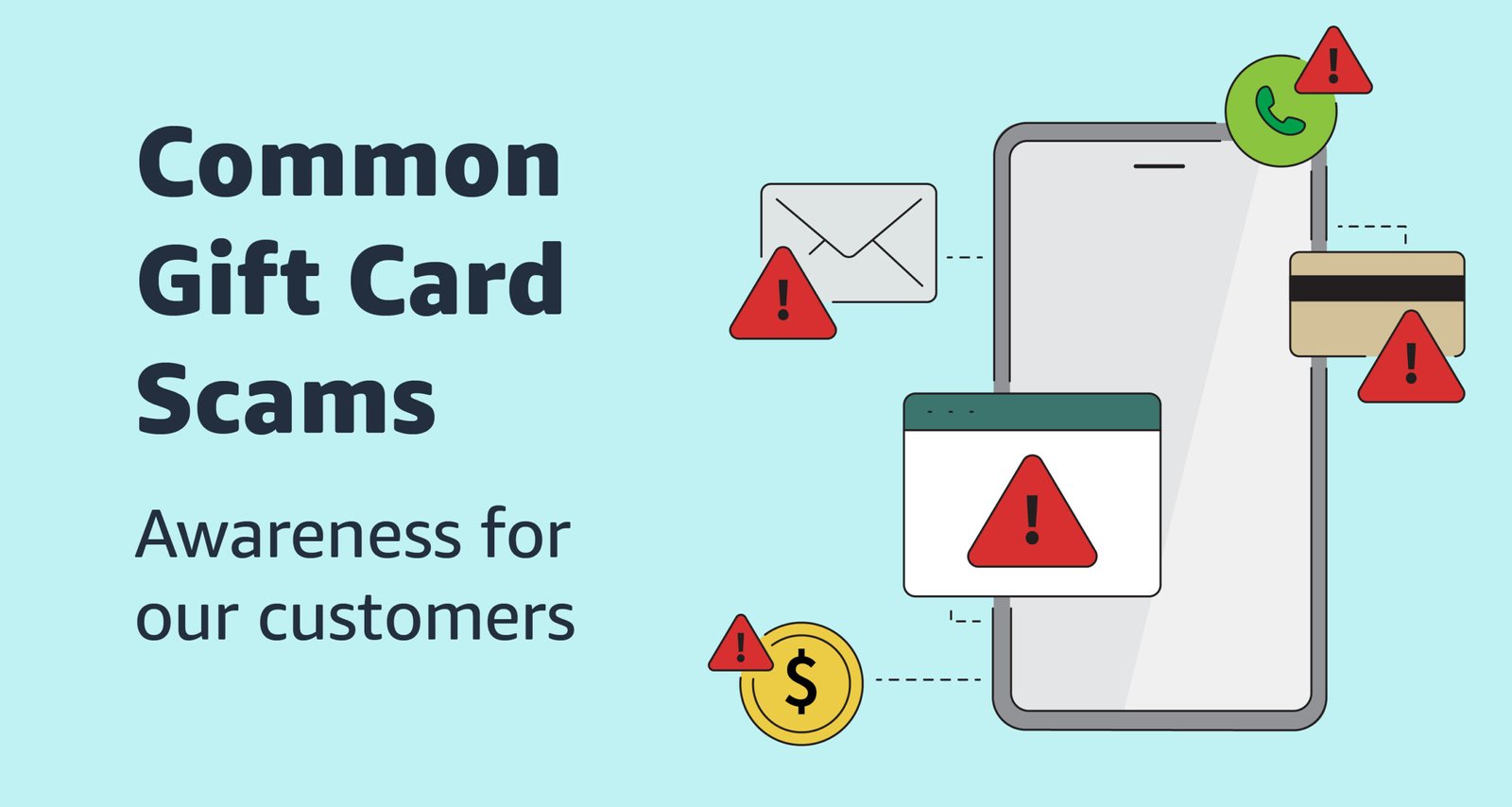
    Cybercriminals are deploying sophisticated phishing campaigns using hundreds of malicious domains to trick users into revealing their personal information. These scams falsely promise free Google Play and Amazon gift cards, luring victims into entering sensitive details such as email addresses, passwords, and financial data. Understanding how these scams work and recognizing warning signs is crucial in protecting yourself and your organization from cyber threats.

    How the Scam Works

    Fake Websites – Attackers create fraudulent websites that closely resemble legitimate reward sites, making it difficult for users to distinguish between real and fake offers.

    Social Engineering – Victims are enticed with attractive offers of free gift cards or promotional rewards.

    Data Harvesting – Once a user engages, they are prompted to enter sensitive information, including login credentials and payment details.

    Malware Distribution – Some of these sites also distribute malware, which can steal credentials, monitor user activity, or exploit system vulnerabilities.

    Indicators of a Scam

    Recognizing the red flags of phishing scams can help prevent falling victim to these malicious tactics:

    Too Good to Be True Offers – If an offer seems unrealistically generous, it likely is a scam. Legitimate companies rarely give away free gift cards without conditions.

    Suspicious URLs – Check website addresses carefully for misspellings, extra characters, or unknown domains.

    Requests for Personal Information – Be cautious if a site asks for login credentials, passwords, or credit card details in exchange for a reward.

    Urgency and Pressure Tactics – Scammers often create a sense of urgency, claiming that an offer is limited and pushing users to act fast.

    How to Stay Safe: Protect yourself and your organization by following these cybersecurity best practices:

    ✔ Verify the Source – Always confirm the legitimacy of any promotion by visiting the official website or contacting customer support.

    ✔ Use Multi-Factor Authentication (MFA) – Enabling MFA adds an extra layer of security to prevent unauthorized access to your accounts.

    ✔ Check Website Security – Ensure the site uses HTTPS and comes from a trusted domain before entering any personal details.

    ✔ Report Suspicious Sites – If you encounter a fraudulent website, report it using platforms like Google Safe Browsing to help protect others.

    Conclusion

    As cybercriminals continue to evolve their tactics, awareness and vigilance remain the best defense against phishing scams. Organizations and individuals should stay informed, verify sources, and implement cybersecurity best practices to avoid falling victim to these fraudulent schemes. By recognizing scam indicators and adopting proactive security measures, you can safeguard your personal and financial information from cyber threats.

    For more cybersecurity insights and protection tips, stay connected with Summit Systems.

    Media Disclaimer: This report is based on internal and external research obtained through various means. The information provided is for reference purposes only, and users bear full responsibility for their reliance on it. Summitsystemsissp assumes no liability for the accuracy or consequences of using this information.