Category: Vulnerability News

  • EU Fines TikTok €530 Million Over Illegal Data Sharing with China

    EU Fines TikTok €530 Million Over Illegal Data Sharing with China

    On May 2, 2025, Ireland’s Data Protection Commission (DPC) dropped a bombshell on TikTok, fining the social media giant €530 million ($600 million) for violating the EU’s General Data Protection Regulation (GDPR). The hefty penalty stems from TikTok’s unauthorized transfer of European user data to China, raising serious concerns about privacy and potential access by Chinese authorities. This marks one of the largest GDPR fines ever and underscores the EU’s aggressive stance on data protection.

    What Happened?

    According to the investigation conducted by the Irish Data Protection Commission (DPC)—the lead supervisory authority for TikTok in the EU—TikTok unlawfully processed the personal data of EU citizens, including minors, and transferred that data to China without transparent disclosures or valid legal mechanisms.

    The key issues include:

    • Lack of clarity and transparency on where user data was being sent.
    • Insufficient safeguards to protect personal data during cross-border transfers.
    • Processing of children’s data without adequate protection or consent.

    Why Is This Important?

    This fine serves as a major warning to any company operating in the EU, particularly those dealing with cross-border data transfers. The European Union has strict rules about sending data outside the bloc, especially to countries without similar data protection standards.

    Transferring EU citizens’ data to China—where the government has broad access to corporate data—raises both privacy and national security concerns.

    What TikTok Says

    TikTok has expressed disappointment in the decision and claims that it uses robust systems to ensure user privacy. The company insists that its data access is tightly controlled, and that it is investing heavily in data residency projects within the EU.

    “We strongly disagree with the decision and plan to appeal. We have made significant changes to address these issues,” said a TikTok spokesperson.

    Implications for Other Tech Companies

    This ruling is expected to intensify scrutiny of other major platforms—especially those with ties to non-EU countries. Companies like Meta, Google, and Amazon are also under watch for their data handling practices. It reinforces the importance of:

    • Local data storage and residency programs.
    • Clear user communication regarding data usage.
    • Proper legal mechanisms (such as Standard Contractual Clauses) for data transfers.

    What’s Next for TikTok?

    As TikTok faces legal appeals and possibly further investigations, it must also work on rebuilding trust with European regulators and users. A failure to comply could result in:

    • More sanctions or even temporary service restrictions.
    • Increased public backlash and political pressure.
    • A stronger push for data localization within the EU.

    This €530 million fine isn’t just about TikTok—it’s about the future of digital privacy in Europe. With growing global concerns about data sovereignty and surveillance, this case sets a powerful precedent. For users, it’s a reminder to be vigilant. For businesses, it’s a clear signal: Respect data protection laws, or face the consequences.

    Media Disclaimer: This report is based on internal and external research obtained through various means. The information provided is for reference purposes only, and users bear full responsibility for their reliance on it. Summitsystemsissp assumes no liability for the accuracy or consequences of using this information
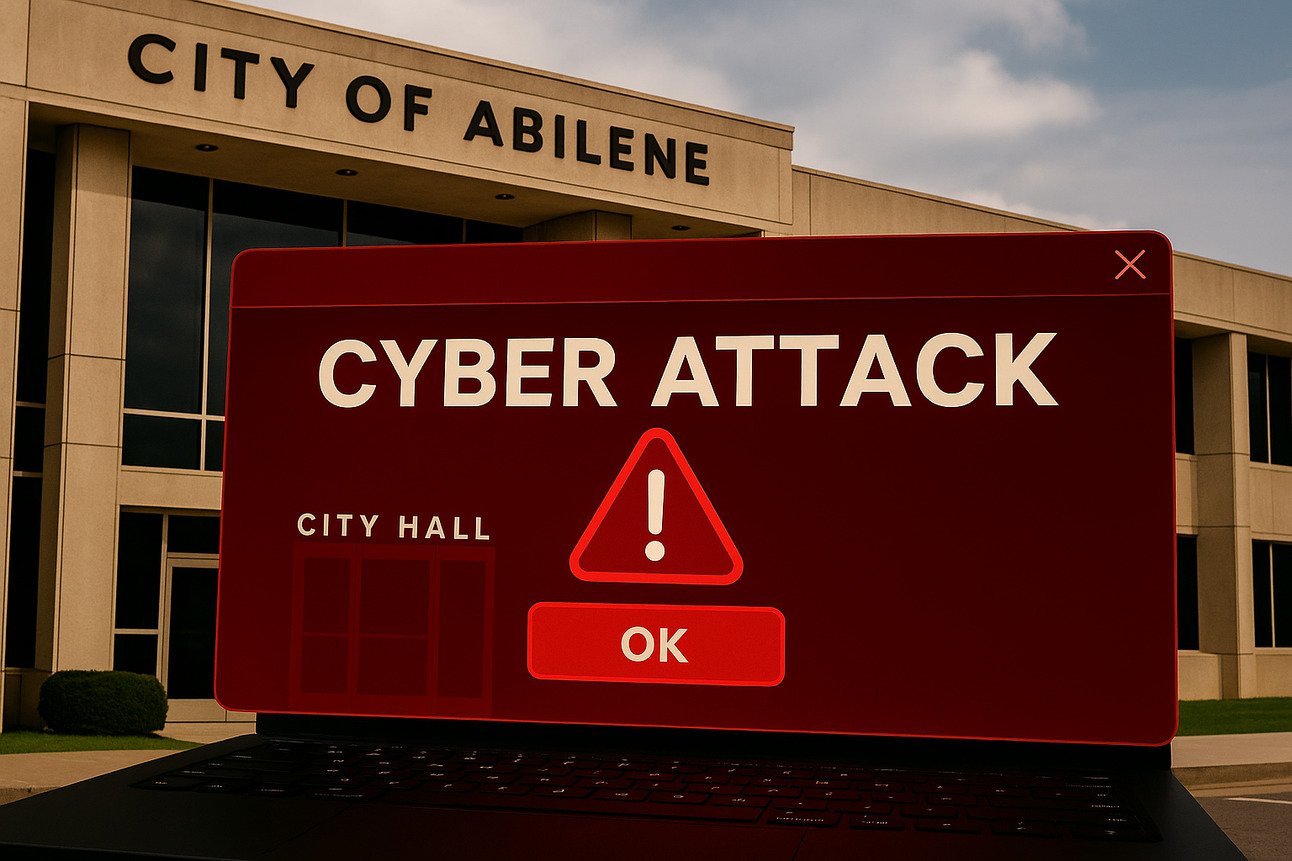
  • Cyber Crisis in Abilene: Cyberattack Shuts Down Texas City Systems.

    Cyber Crisis in Abilene: Cyberattack Shuts Down Texas City Systems.

    On April 18, 2025, the city of Abilene, Texas, faced a significant disruption when a cyberattack targeted its internal network, forcing multiple servers offline. With a population of roughly 130,000, Abilene, known for its vibrant cultural scene and home to three Christian universities, is now grappling with the aftermath of this cybersecurity incident. The attack has prompted swift action from city officials, who are working tirelessly to restore services and secure their systems.

    The Incident Unfolds

    The cyberattack was first detected on Friday, April 18, when city officials noticed unresponsive servers. In response, Abilene’s IT department, consisting of 26 full-time staff, immediately enacted an incident response plan, disconnecting affected and critical assets to contain the breach. While the city has not disclosed specific details about the nature of the attack, some reports suggest it may involve ransomware, though no group has claimed responsibility at the time of writing.

    The attack disrupted several municipal services, including the Abilene Public Library and CityLink transit services. During a city council meeting on April 24, the absence of a sign language interpreter, live stream, and computerized voting underscored the extent of the disruption. Additionally, credit card systems at government offices were affected, limiting payment options to cash, checks, or online card payments.

    Despite these challenges, critical services such as emergency response and water utilities have remained operational. The city has also assured residents that water services will not be disconnected due to past-due balances during this period, and payments can still be made online or in person.

    Response and Recovery Efforts

    Abilene’s IT team has been working around the clock to restore services and minimize downtime. The city is collaborating with third-party cybersecurity experts to investigate the scope and scale of the attack. A public notice issued on April 24 announced a temporary suspension of the state’s public information law requirements from April 22 to April 28, reflecting the severity of the disruption.

    City officials have emphasized their commitment to monitoring systems for unusual activity and securing the network. While some systems are gradually coming back online, response times to service requests may be delayed. The city’s participation in the Texas Municipal League Intergovernmental Risk Pool (TMLIRP) provides cyber liability coverage and incident response support, which is likely aiding recovery efforts.

    A Broader Context of Cyber Threats

    Abilene’s cyberattack is not an isolated incident. In recent months, other Texas cities, including Mission and Fort Bend County, have faced similar attacks, exposing vulnerabilities in municipal networks. Ransomware attacks alone have cost Texas cities billions of dollars over the past five years, affecting 53 municipalities.

    In response to this growing threat, Texas lawmakers have taken action. On April 24, 2025, the Texas House passed a bill to establish a cyber command center in San Antonio, aimed at bolstering the state’s defenses against cyberattacks. Governor Greg Abbott has made the creation of this command an emergency legislative priority, citing the need to protect critical infrastructure from hostile actors, including foreign state-sponsored groups like China’s Salt Typhoon, which recently compromised U.S. telecommunications systems.

    Implications and Moving Forward

    The cyberattack on Abilene highlights the increasing sophistication and frequency of cyber threats targeting local governments. Municipalities, often operating with limited cybersecurity resources, are prime targets for attackers seeking to exploit sensitive data or disrupt public services. The temporary suspension of public records access and the disruption of routine city functions underscore the far-reaching impact of such incidents on residents and governance.

    As Abilene continues its recovery, the incident serves as a stark reminder of the importance of robust cybersecurity measures. The establishment of the Texas Cyber Command could provide much-needed support for cities like Abilene, enhancing threat detection and response capabilities across the state.

    For now, Abilene’s residents are encouraged to stay patient as services are restored. The city’s website remains a resource for updates and payment options, and officials are committed to transparency as the investigation progresses. In an era where cyber threats are a persistent reality, Abilene’s experience may catalyze broader efforts to safeguard Texas communities against future attacks.

    Media Disclaimer: This report is based on internal and external research obtained through various means. The information provided is for reference purposes only, and users bear full responsibility for their reliance on it. Summitsystemsissp assumes no liability for the accuracy or consequences of using this information
  • Two Healthcare Organizations Disclose Patient Data Breaches Following Ransomware Attacks

    Two Healthcare Organizations Disclose Patient Data Breaches Following Ransomware Attacks

    The healthcare sector continues to face relentless cyber threats as two separate healthcare organizations in the United States have confirmed data breaches resulting from ransomware attacks—collectively impacting over 100,000 individuals.

    In recent disclosures filed with the U.S. Department of Health and Human Services (HHS), both healthcare organizations reported ransomware incidents that compromised sensitive patient data. The attacks occurred between January and March 2025 and were carried out by unknown threat actors believed to be part of a larger, organized ransomware operation.

    The affected organizations—whose names are withheld due to ongoing investigations—include:

    • A multi-location medical clinic group operating across the Midwest
    • A specialized care center based in the South

    Both reported unauthorized access to protected health information (PHI) before the ransomware was deployed.

    According to the breach notifications, the compromised data includes:

    • Full names
    • Dates of birth
    • Medical record numbers
    • Diagnosis and treatment details
    • Insurance and billing information

    There is no current evidence that the data has been published or sold on the dark web, but cybersecurity experts warn that delayed leaks are common tactics used by ransomware gangs to pressure victims into paying.

    Each organization has engaged third-party cybersecurity firms and forensic investigators to contain the damage, assess the scope of the breach, and harden their infrastructure against further attacks. Affected individuals are being notified and offered complimentary identity protection services.

    While the impacted facilities were able to restore critical operations using backups, the incident disrupted care delivery and administrative services for several days.

    At Summit Systems ISSP, we view this as yet another urgent reminder of the escalating cyber risks in healthcare. With cybercriminals increasingly targeting high-value, high-pressure environments, ransomware defense is no longer optional—it’s essential.

    “Ransomware operators know that healthcare providers cannot afford downtime. That’s why preparedness, rapid response, and resilience are key,”

    Summit Systems ISSP recommends the following proactive steps to reduce the risk of ransomware attacks:

    1. Implement a Zero Trust Architecture – Verify every device, user, and application before granting access.
    2. Conduct Regular Security Audits – Identify and patch vulnerabilities quickly.
    3. Train Staff on Phishing Prevention – Over 90% of ransomware starts with a malicious email.
    4. Segment Networks and Backups – Isolate critical data and maintain offline backups.
    5. Establish an Incident Response Plan – Be ready to act immediately when a breach is detected.

    Cybercriminals are evolving—and so must your defenses. These recent attacks are a clear signal that robust cybersecurity frameworks, like the NIST Cybersecurity Framework 2.0, must be fully integrated into healthcare IT operations.

    Media Disclaimer: This report is based on internal and external research obtained through various means. The information provided is for reference purposes only, and users bear full responsibility for their reliance on it. Summitsystemsissp assumes no liability for the accuracy or consequences of using this information

  • DaVita Ransomware Breach: Implications for Cybersecurity in Healthcare

    DaVita Ransomware Breach: Implications for Cybersecurity in Healthcare

    In a stark reminder of the growing cybersecurity threats facing the healthcare sector, DaVita Inc., a leading kidney care provider, recently disclosed a ransomware attack that affected portions of its internal systems. The company reported the incident in a regulatory filing, triggering an immediate 3% drop in its stock price and raising questions about the sector’s preparedness for increasingly sophisticated cyber threats.

    DaVita announced that a ransomware group had gained unauthorized access to its network and encrypted critical systems. The company promptly launched its incident response protocol, engaged cybersecurity experts, and notified the relevant law enforcement authorities. While the company has not yet confirmed whether any patient data was compromised, investigations are ongoing.

    This development marks yet another entry in a growing list of ransomware attacks targeting healthcare and critical infrastructure, industries where system downtime can have life-threatening implications.

    Why Healthcare Is a Prime Target

    Healthcare organizations like DaVita manage vast troves of sensitive personal and health data, making them attractive to cybercriminals. Beyond data theft, the sector is vulnerable due to:

    • Legacy systems and outdated software
    • High reliance on network-connected devices
    • Understaffed cybersecurity teams
    • The urgency to restore services, often resulting in ransom payments

    As a cybersecurity thought leader, Summit Systems ISSP sees this incident as a crucial learning moment. Here are some takeaways for organizations, especially in critical sectors:

    1. Proactive Threat Monitoring

    Continuous monitoring and early detection mechanisms—such as Security Information and Event Management (SIEM) systems—can help identify unusual activity before it escalates.

    2. Robust Backup & Recovery Plans

    Offline and immutable backups are essential. Organizations must regularly test their disaster recovery protocols to ensure minimal disruption in the event of an attack.

    3. Zero Trust Architecture

    Implementing Zero Trust principles—“never trust, always verify”—helps limit lateral movement and protects high-value assets from unauthorized access.

    4. Staff Cyber Hygiene Training

    Frontline employees should be regularly trained to spot phishing, social engineering tactics, and suspicious activities. Human error remains the #1 attack vector.

    5. Incident Response Readiness

    A well-documented, regularly updated Incident Response Plan (IRP) ensures swift containment and remediation, limiting both operational and reputational damage.

    DaVita’s situation underscores the importance of a cyber resilience mindset—not just compliance. While no system is completely invulnerable, organizations that prioritize security posture, incident readiness, and continuous improvement will fare better in the face of modern cyber threats.

    Media Disclaimer: This report is based on internal and external research obtained through various means. The information provided is for reference purposes only, and users bear full responsibility for their reliance on it. Summitsystemsissp assumes no liability for the accuracy or consequences of using this information

  • U.S. Intelligence: China Admitted Running Volt Typhoon Hack Attacks

    U.S. Intelligence: China Admitted Running Volt Typhoon Hack Attacks

    In a surprising development, Chinese officials reportedly admitted to conducting the Volt Typhoon cyberattacks aimed at U.S. critical infrastructure during a confidential meeting with U.S. counterparts last December, according to sources cited by The Wall Street Journal. The acknowledgment, made in Geneva, allegedly tied the operations to escalating U.S. support for Taiwan, raising concerns about geopolitical tensions spilling into cyberspace.

    The Volt Typhoon campaign, first exposed by Microsoft in May 2023, has been described as a sophisticated effort by state-sponsored Chinese hackers to infiltrate vital U.S. systems, including communications, energy, transportation, and water sectors. U.S. authorities, including the FBI and Cybersecurity and Infrastructure Security Agency (CISA), have warned that the group’s activities appear designed to preposition for potential disruption in the event of a conflict, particularly over Taiwan.

    During the Geneva talks, Chinese representatives reportedly framed the cyberattacks as a response to U.S. policies, though Beijing has publicly denied any involvement, dismissing accusations as a “political farce” meant to justify American surveillance. China’s National Computer Virus Emergency Response Center has previously claimed the Volt Typhoon narrative was fabricated by the U.S. to secure funding and bolster its own cyber capabilities.

    The admission, if accurate, marks a rare instance of China acknowledging offensive cyber operations, though the secretive nature of the meeting leaves room for skepticism. Neither U.S. nor Chinese officials have officially confirmed the report, and details remain murky. The revelation comes amid heightened U.S.-China friction, with Taiwan remaining a flashpoint.

    U.S. cybersecurity officials continue to urge critical infrastructure organizations to strengthen defenses against such threats, emphasizing timely patching, multifactor authentication, and replacing outdated devices. The FBI disrupted parts of Volt Typhoon’s network in January 2024, but experts warn the group remains active, exploiting vulnerabilities in routers and other edge devices to maintain persistent access.

    As both nations navigate this shadow war in cyberspace, the reported admission underscores the growing challenge of deterring state-backed hacking while avoiding broader escalation. For now, the U.S. is left grappling with how to respond to a threat that could disrupt the backbone of its society—potentially at a moment’s notice.

    Media Disclaimer: This report is based on internal and external research obtained through various means. The information provided is for reference purposes only, and users bear full responsibility for their reliance on it. Summitsystemsissp assumes no liability for the accuracy or consequences of using this information

  • Ransomware Hits State Bar of Texas: Personal Data Stolen in Major Cybersecurity Breach

    Ransomware Hits State Bar of Texas: Personal Data Stolen in Major Cybersecurity Breach

    In a stark reminder of the persistent threat of ransomware, the State Bar of Texas recently disclosed that it fell victim to a cyberattack, resulting in the theft of sensitive personal information. The breach, which occurred between January 28 and February 9, 2025, was detected on February 12, prompting an immediate response from the organization. The INC ransomware gang has since claimed responsibility, leaking samples of stolen data—including legal case documents—on its dark web extortion site. This incident underscores the growing sophistication of cyber threats targeting professional organizations and the critical need for robust cybersecurity measures.

    The Breach: What Happened?

    The State Bar of Texas, the second-largest bar association in the United States with over 100,000 active members, oversees the licensing, ethical conduct, and disciplinary actions of attorneys across the state. On February 12, 2025, the organization identified suspicious network activity, triggering an investigation that revealed unauthorized access spanning nearly two weeks. During this period, attackers exfiltrated files containing personal data, including Social Security numbers, driver’s license numbers, financial details, and medical information. While the exact number of affected individuals remains undisclosed, notifications have been sent to thousands, with filings indicating at least 2,700 impacted parties.

    The INC ransomware gang, which emerged in mid-2023, added the State Bar to its leak site in late February, signaling a breakdown in negotiations or a refusal to pay the ransom. Although the State Bar has not confirmed whether a ransom was paid, it reported no evidence of fraudulent misuse of the stolen data as of early April. To mitigate risks, affected individuals are being offered 12 to 24 months of free identity theft and credit monitoring services.

    Implications for the Legal Sector

    The breach carries significant implications beyond individual privacy concerns. As a regulatory body handling sensitive legal data, the State Bar’s compromise highlights the vulnerability of organizations integral to the justice system. “What’s particularly concerning here is the nature of the exposed data,” said Steve Povolny, Senior Director at Exabeam. “Legal case documents and personally identifiable information can undermine legal processes and jeopardize ongoing litigation.” For cybersecurity professionals, this incident serves as a case study in the cascading effects of a single breach on a highly interconnected ecosystem.

    The attack aligns with a broader trend of ransomware groups targeting professional services, with law firms and legal institutions increasingly in the crosshairs. The INC gang, known for spear phishing and exploiting software vulnerabilities, has claimed over 80 confirmed attacks since its inception, including several against government entities in 2025 alone. This escalation reflects the evolving tactics of cybercriminals, who now prioritize data theft and extortion over mere encryption.

    Lessons for ISSPs: Strengthening Defenses

    For Information Systems Security Professionals (ISSPs), the State Bar of Texas breach offers critical takeaways to enhance organizational resilience:

    1. Proactive Threat Detection: The 13-day window of unauthorized access suggests a need for improved real-time monitoring. Deploying advanced endpoint detection and response (EDR) solutions can help identify anomalous activity before significant damage occurs.
    2. Data Segmentation and Encryption: Sensitive data, such as PII and legal documents, should be segmented and encrypted to limit exposure during a breach. This layered approach reduces the value of stolen files to attackers.
    3. Incident Response Readiness: The State Bar’s swift engagement of forensic experts underscores the importance of a well-defined incident response plan. Regular tabletop exercises can ensure teams are prepared to act decisively.
    4. Multi-Factor Authentication (MFA): Enforcing MFA across all access points—especially for external-facing systems—remains a proven deterrent against credential-based attacks like those favored by INC.
    5. Backup Integrity: Ransomware groups often target backups to maximize leverage. Off-site, immutable backups tested for rapid restoration are essential to avoid paying ransoms.

    A Call to Action

    The State Bar of Texas incident is not an isolated event but part of a broader wave of cyberattacks targeting critical institutions. As ransomware evolves into a dual-threat model—combining encryption with data extortion—ISSPs must adapt their strategies to protect both systems and information. The legal sector, with its wealth of sensitive data and high stakes, cannot afford to lag in this arms race.

    Summit System ISSP encourages its members to leverage this breach as a catalyst for reviewing their own security postures. Collaboration with industry peers, investment in cutting-edge tools, and ongoing education are vital to staying ahead of threat actors like INC. As the State Bar works to restore trust and harden its defenses, the cybersecurity community must rally to ensure such incidents become lessons rather than precedents.

    Media Disclaimer: This report is based on internal and external research obtained through various means. The information provided is for reference purposes only, and users bear full responsibility for their reliance on it. Summitsystemsissp assumes no liability for the accuracy or consequences of using this information